



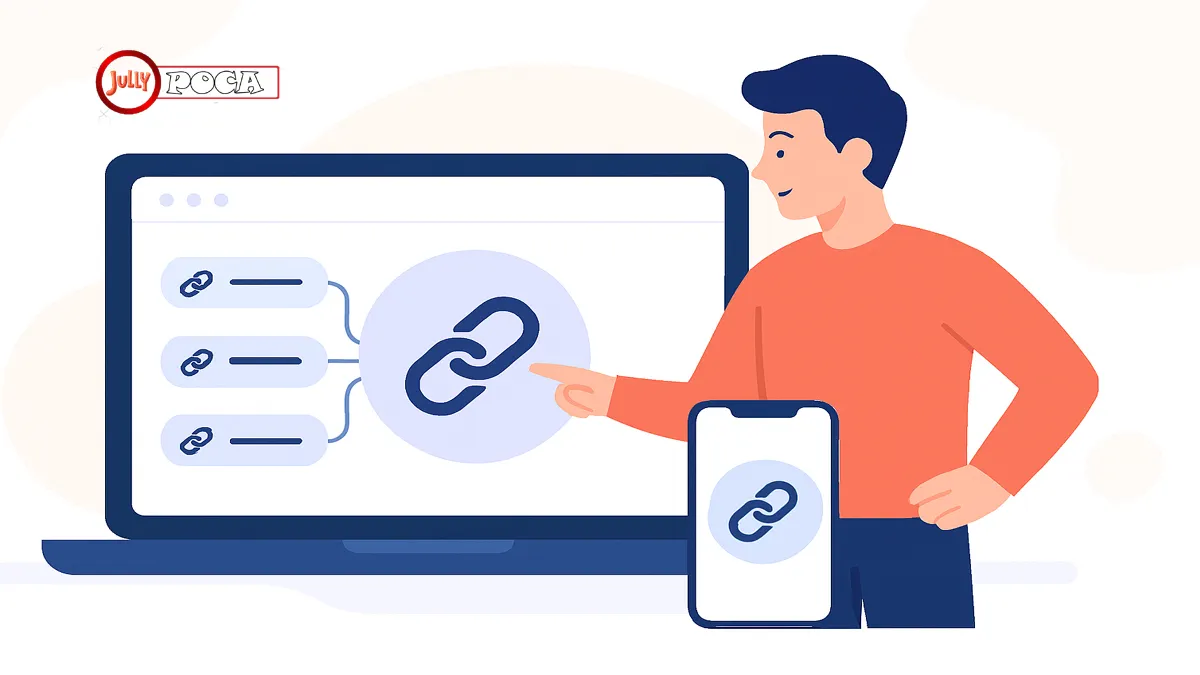
If you have ever felt overwhelmed by scattered links, you are not alone. Social profiles, blog posts, landing pages, and offers can all pull visitors in different directions. A tool like Linkrify can change that and bring everything together.
Most website owners work hard to get traffic. The real challenge starts after people arrive. Where should they click first? How do you guide them without confusing them?
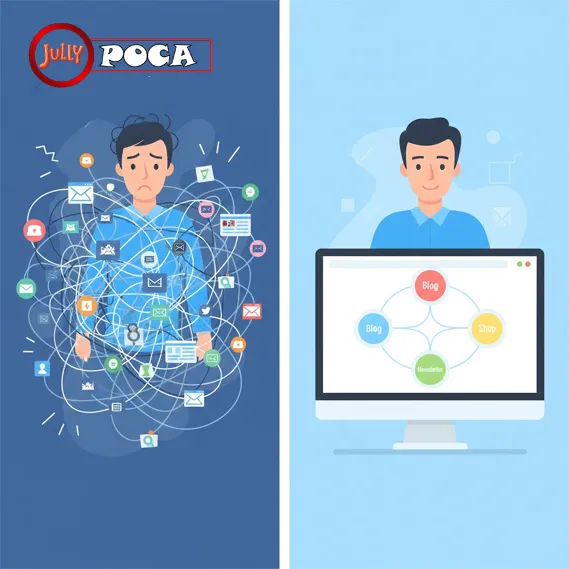
When your links are spread everywhere, people hesitate. They bounce, get distracted, or miss your most important pages. That can hurt sales, sign‑ups, and trust.
This is where a modern link hub shines. It turns random clicks into a guided, intentional journey. In this article, you will see seven clear reasons this kind of tool can become the best asset for your website and brand.
What is Linkrify? 🤔
You might be wondering, “What is Linkrify?” at this point. At its core, Linkrify is a central hub where you gather all your most important links in one clean, focused place.
Instead of sending people to a cluttered homepage or a long list of menu items, you send them to a single, well‑designed page. From there, they can:
- Discover your best content
- Find your main products or services
- Join your email list or community
- Follow you on social media
Think of it as a smart, branded doorway to the rest of your online world. One link can lead visitors to everything that matters, without confusing them or wasting their attention.
A tool like this fits many situations:
- Creators who want one link in their bio
- Small businesses managing several offers
- Agencies that promote multiple client projects
- Coaches or experts who use several platforms
When used well, it becomes a quiet but reliable assistant. It guides people toward the right action, at the right time.
1. It Brings All Your Important Links Into One Simple Hub 🌐
The first reason this kind of tool is so effective is simple: clarity. Visitors decide in seconds whether to stay or leave. Confusion usually means they leave.
When your links are scattered, people must hunt for what they need. That extra effort creates friction. Many will not push through that friction, even if they like you.
A central link hub solves this problem. It gathers your key destinations in one place:
- Your main offer or product
- Your email newsletter or lead magnet
- Your latest or best‑performing content
- Your social profiles
- Your support or contact page
Instead of guessing where to click, visitors see a short, thoughtful list of choices. Each choice has a clear label and a clear purpose.
Real‑life example
Imagine a fitness coach who sells training plans, posts videos, and runs a private community. Before using a link hub, followers saw a messy bio with random links. After setting up a simple hub, every visitor first lands on one clear page that highlights:
- “Start here: free 7‑day workout guide”
- “Join the coaching community”
- “Watch my YouTube workouts”
More people now choose a path that matches their needs. The coach sees higher sign‑ups and more engaged followers.
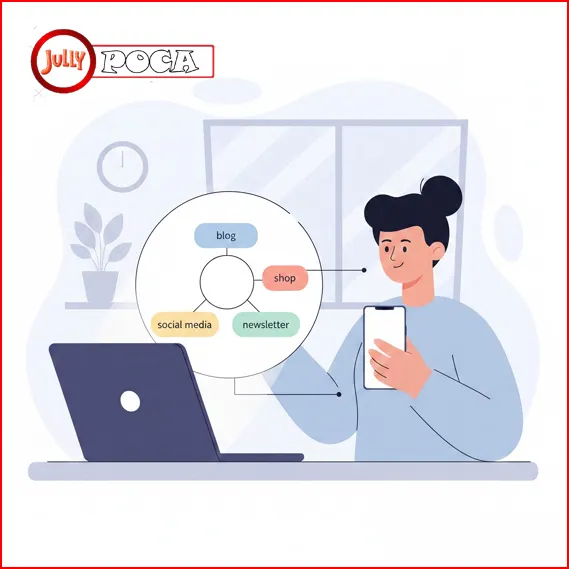
2. It Guides Visitors Toward the Actions That Matter Most 🎯
Traffic alone does not build a business. What matters is what people do after they land on your pages.
A link hub helps you design that journey with intention. Instead of a long, overwhelming menu, you can highlight just a few key actions:
- Book a call
- Start a free trial
- Download a guide
- Read a key article
- Buy a featured product
You can order these actions by priority. The most important one appears at the top, with strong visual emphasis. Others support it, rather than compete with it.
This focus reduces decision fatigue. People feel guided instead of pushed. When they understand the next step, they take it more often.
Example of a focused journey
A small agency used to send ad traffic to a busy homepage. Visitors had to choose between services, blog posts, and case studies. Many left quickly.
After shifting to a simple link hub, the agency only showed:
- “Get a quote”
- “See case studies”
- “Read our top article on results”
The path became clear. More visitors asked for quotes, and the agency could still showcase proof for those who wanted to explore.
If you align your hub with your business goals, it can become a quiet conversion engine.
3. It Saves You Time With Centralized Link Management ⏱️
Updating links across many platforms is exhausting. You might need to change a promo on:
- Your Instagram bio
- Your Twitter profile
- Recent blog posts
- An email footer
- Your YouTube description
Each change takes time. Each change is a chance to forget one place or make a mistake.
A link hub reduces that chaos. You update your links in one central spot. Every profile or page that points to the hub stays valid, even when the content behind it changes.
Before vs. after: your weekly workflow
Here is how your link workflow can change when you use a single hub:
| Task | Old Way (Scattered Links) | New Way (Central Hub) |
|---|---|---|
| Promote a new offer | Edit 5–10 different bios and pages | Update one button on your hub |
| Retire an old product | Hunt down every link and redirect or remove it | Hide or replace a single link |
| Run a seasonal campaign | Create special pages and update social links everywhere | Add one seasonal link, remove it when done |
| Fix a typo in a URL | Check many locations manually | Correct it once in your hub |
| Test a new lead magnet | Risk breaking old links or confusing visitors | Add it as a new option and track performance |
Over a month, this time savings adds up. You can reinvest that time into content, customers, or strategy instead of maintenance.
For many small teams and solo creators, less maintenance means less stress. You feel more in control, and less afraid of sharing links widely.
4. It Shows You What Your Audience Actually Clicks 📊
Guessing what people want is risky. Data lets you stop guessing and start adjusting.
Many modern link hubs offer basic analytics, such as:
- Total clicks
- Clicks per button or link
- Top countries or regions
- Top devices, like mobile or desktop
Even simple numbers like these can be eye‑opening. You might learn that:
- A “starter guide” gets more clicks than a direct sales page
- Mobile users ignore links that look fine on desktop
- People from certain countries prefer different offers
With that insight, you can refine your layout, copy, or offers. You can move high‑performing links up, and remove links people ignore.
For deeper context, you might compare this data with website conversion optimization research from trusted marketers and UX experts. Resources like website conversion optimization research can help you interpret patterns more effectively.
Example: improving a newsletter sign‑up
A writer noticed that her “Join my newsletter” button received few clicks. Analytics showed that a “Read my latest article” button received many clicks.
She changed the order and added a small line under the article link:
“Like this? You can receive new posts by email.”
Newsletter sign‑ups improved, without adding more traffic. The data guided a simple, low‑stress change.
5. It Keeps Your Brand Consistent Everywhere 🌈
People meet your brand in many places: Instagram, TikTok, LinkedIn, your website, maybe even podcasts or webinars. Consistency helps them recognize you and feel safe.
A central link hub can mirror your visual identity:
- Your brand colors
- Your logo or headshot
- Your tone of voice in the button labels
- Your style of photography or illustration
When visitors see the same style across channels, they feel more confident. It tells them, “You are in the right place.”
Consistency is not only about looks. It is also about message. A well‑designed hub repeats your core promise in a simple way. For example:
- “Helping small businesses grow online, one step at a time.”
- “Simple fitness for busy parents.”
- “Clear marketing advice for creative entrepreneurs.”
That short line, placed above your buttons, can anchor your whole online presence.
This is especially helpful as social media habits change. Reports on global social media usage statistics show that people jump between platforms quickly. Sources like global social media usage statistics highlight how fragmented attention has become.
A strong, consistent hub becomes your stable base in this moving landscape.
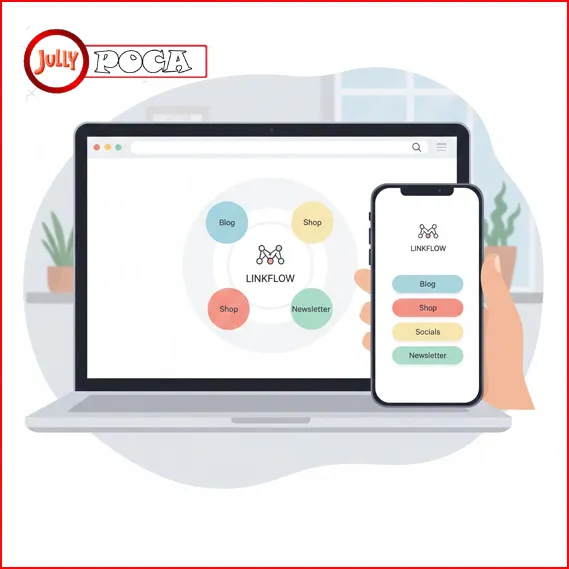
6. It Grows With You as Your Website Expands 🚀
When you start a project, your online presence might be small. One or two offers, a few articles, and a single social platform.
Over time, that usually changes:
- You launch more products or services
- You appear on podcasts or in guest posts
- You create guides, videos, and webinars
- You add more social profiles
Your old link structure can become hard to manage. A central hub solves this gracefully.
You can:
- Add or remove links as needed
- Group similar links under short labels
- Rotate seasonal or time‑sensitive content
- Test new offers without confusing visitors
Because the hub stays the same, you do not need to rebuild your whole system when you grow. You simply adjust which paths you highlight.
Example: from side project to full business
A designer started with a simple portfolio site. Her hub only linked to:
- “View portfolio”
- “Email me”
Within two years, she added:
- A design course
- A small shop for templates
- A newsletter
- Talks and interviews
Her hub evolved with her. Now, new visitors can see every important path in one glance, without feeling lost.
Growth feels less scary when your structure can adapt smoothly.
7. It Plays Nicely With Your Other Marketing Tools 🧩
No single tool can handle every part of marketing. You might use:
- An email service
- A course platform
- A shop or checkout service
- A podcast host
- Several social networks
Your link hub does not replace these tools. Instead, it connects them. It becomes the visible layer that ties your ecosystem together.
You can send visitors from:
- Social media to your email sign‑up
- Email to a curated content page
- Podcast episodes to a resource page
- Guest posts back to your main offers
Inside your website, you can link back to the hub when you want to offer a simple “choose your own path” experience. For example, a blog post might end with:
“Not sure what to explore next? Visit my main hub to pick your path.”
This keeps your ecosystem flexible. You are free to change tools behind the scenes, while keeping the visitor experience stable and familiar.
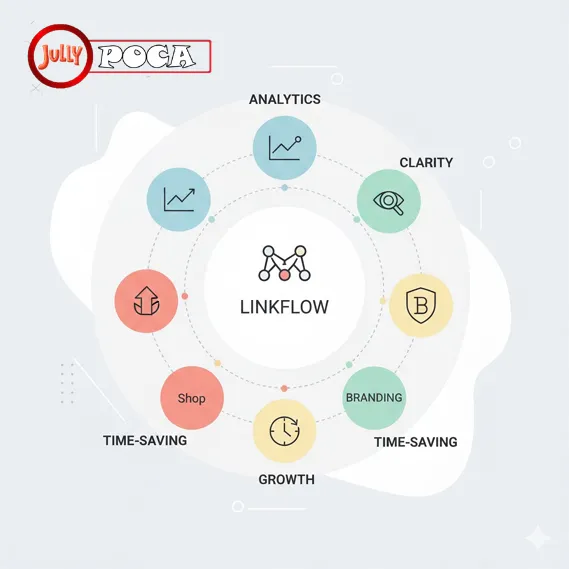
Key Linkrify benefits at a glance 🧾
To see how these ideas come together, it helps to look at them side by side. Here are some core Linkrify benefits you gain when you adopt a central hub approach:
- Clear navigation for visitors
- Less time spent updating scattered links
- Focused calls to action for your main goals
- Simple analytics that support better decisions
- Stronger, more consistent branding
- Flexibility as your business grows
- Easy connections between all your marketing tools
You do not have to use every feature from day one. Many people start simple, with just a few links and basic branding. Over time, they refine and expand.
The main point is this: one small page can quietly support almost every other marketing effort you make.
How to use Linkrify in your day‑to‑day marketing 🛠️
By now you have seen why this kind of tool matters. The next step is understanding How to use Linkrify in a practical, low‑stress way.
You can think in three simple phases: plan, build, and refine.
1. Plan your visitor’s journey
Before touching any settings, ask a few calm questions:
- What is the single most important action visitors should take?
- What are two or three helpful secondary actions?
- Which links can you remove without real loss?
Write down your answers. These will shape the layout of your hub.
2. Build a simple, focused layout
Now you are ready to set up the page. Keep it simple at first.
You might:
- Add your main headline or promise
- Add 3–6 buttons only, each with clear labels
- Use your brand colors, logo, or photo
- Check that everything looks good on mobile
Resist the urge to add every link you can think of. Start lean. You can always add more later.
3. Refine based on real behavior
Once your hub is live, share it on:
- Social media bios
- Email signatures
- Podcast show notes
- Guest posts or profiles
After a few weeks, check performance. Which links get the most clicks? Which links are ignored?
You can then:
- Move strong performers higher
- Remove or adjust weak links
- Test new offers or headlines
Over time, the page becomes a living, learning part of your marketing. It quietly adapts alongside your audience’s needs.
When you approach Linkrify this way, it feels less like one more tool to manage and more like a trusted partner in your daily work.
FAQs ❓
1. Is Linkrify suitable for small websites or new creators?
Yes. In many ways, it is ideal for smaller sites and beginners. When you have limited time and resources, a central hub offers clarity without technical complexity. You can start with just a few links and evolve as you grow.
2. Do I need technical skills to set up a link hub?
In most cases, no. Modern link hub tools are built for non‑technical users. If you can write button labels and paste URLs, you can set up a basic page. You can then improve design over time, if you wish.
3. Can a central hub work alongside my existing website?
Absolutely. You do not have to replace your current site. The hub simply becomes a focused entry point. From there, you can direct visitors to specific pages, such as services, shop, or blog.
4. Will using a link hub confuse my audience?
Done thoughtfully, it tends to reduce confusion. The key is to keep the hub simple. Limit the number of options, use clear button text, and highlight your main call to action. If you review behavior regularly, you can keep improving clarity.
5. How often should I update my hub page?
There is no fixed rule. A good rhythm for many people is monthly. You might also update it when you launch a new offer, publish a major piece of content, or start a campaign. The goal is to keep it current without constant tinkering.
6. Can this approach help with long‑term customer relationships?
Yes. A consistent hub becomes a familiar starting point for loyal visitors. They know where to go when they want the latest updates, resources, or offers. Over time, that sense of reliability supports deeper trust and stronger relationships.
Conclusion: Turn Your Website Into a Guided Experience 🌟
Your website and online profiles are more than separate pages. Together, they form a journey for every visitor. A central link hub helps you design that journey with intention instead of leaving it to chance.
You have seen seven proven ways this kind of tool supports you:
- It gathers your most important links in one place
- It highlights the actions that truly matter
- It saves hours of repetitive updates
- It gives you simple insights through analytics
- It strengthens your visual and verbal brand
- It grows as your business and offers expand
- It connects smoothly with the rest of your tools
If you are still on the fence about Linkrify, consider this: even a simple, well‑organized hub can lift results without adding complexity. You do not need to redesign your entire site or rewrite every page. You only need to offer visitors a clear, thoughtful starting point.
From there, each click becomes more intentional. Each visit supports your goals with less friction and more trust. And that is what a truly effective website is all about.


11 Comments
Pingback: Linkrify: The Ultimate Tool to Streamline Your Online Links and Boost Engagement
Pingback: Linkrify: The Ultimate Guide to Boosting Your Online Presence
Pingback: Linkrify: Transform the Way You Share and Manage Links Online
Pingback: Linkrify: The Smart Way to Manage Links and Boost Your Online Presence
Pingback: Linkrify: Revolutionize How You Share and Manage Your Links Online – edvia
Pingback: Linkrify: The Smart Way to Simplify Your Online Presence – tutyx
Pingback: Unlocking the Power of Linkrify: A Complete Guide to Boosting Your Online Presence
Pingback: Linkrify: The Ultimate Tool for Smarter Link Management – braina
Pingback: Linkrify: The Ultimate Tool to Simplify and Optimize Your Online Links – ediraq
Pingback: Linkrify: The Smart Way to Organize and Amplify Your Online Presence – edexo
Pingback: Linkrify: The Ultimate Tool to Streamline Your Online Presence – tutoz