




Freelancing can feel lonely, confusing, and risky. Yet with the right approach, it can change your life. 🌍
If you treat peopleperhour as a serious business tool, not just “another gig site,” it can become a steady income source.
Whether you are a new people per hour freelancer or already have a few clients, this guide will help you move faster, with less guesswork.
In this article, you will learn:
- How to make your profile attract the right clients
- What to do before sending any proposal
- How to protect your time, energy, and income
- Simple habits that turn one‑off jobs into long‑term work
Let’s walk through each strategy step by step. 💼
1. Treat Your peopleperhour Profile Like a Personal Website
Your profile is often the first thing a client sees. It works like a mini website that sells your services.
Ask yourself:
- Would a total stranger understand what you do in 5 seconds?
- Would they feel safe trusting you with their money?
- Would they think, “This person understands my problem”?
Focus on three key areas:
A clear and focused headline
Avoid generic headlines like:
❌ “Freelancer”
❌ “Virtual assistant and designer and writer”
Use a focused, benefit‑driven headline instead:
✅ “Email copywriter helping coaches increase course sales”
✅ “WordPress developer building fast, secure small business sites”
Your headline should show:
- What you do
- Who you help
- What result you create
A client‑focused overview
Write your overview for clients, not for yourself. Avoid long personal stories.
Use this simple structure:
- The client’s main problem
- How you solve it
- Why they can trust you
- Clear next step: invite them to contact you
Example:
“I help busy founders turn messy ideas into clear, high‑converting landing pages. With 4+ years writing SaaS copy, I focus on clarity, structure, and real customer language. If you need a landing page that brings more trials and demos, send me a quick message and we can discuss your goals.”
Short, specific, and focused on the client. ✅
A strong first impression
Use:
- A professional, friendly headshot
- A clean, error‑free overview
- Relevant skills and tags, without stuffing
Remember, clients judge fast. Your profile must answer:
“Can I trust this person?” and “Do they get my problem?”
If yes, you already stand out. ✨
2. Niche Down and Package Your Services Clearly
Many freelancers try to be “open to anything.” That usually leads to low rates and random jobs.
Specialization feels risky, but it often brings better clients and less stress.
Why narrowing your niche works
Most people per hour clients want a specialist, not a generalist. They pay more for focused expertise.
Compare these two:
- “I do any writing work”
- “I write product descriptions for fashion e‑commerce brands”
The second offers:
- Clear value
- Clear audience
- Clear deliverable
Clients can imagine the result quickly.
Turn skills into clear packages
Packages make your services easier to buy. They reduce confusion and endless negotiation.
Examples:
- “Basic: 1 blog post (1,000 words) + 1 round of edits”
- “Standard: 4 social media graphics + 2 formats + source files”
- “Premium: Landing page copy + wireframe + 2 revisions”
Each package should show:
- What’s included
- Delivery time
- Number of revisions
- What you need from the client
Packages make it easier for busy buyers to choose you over others. 🧠
3. Write Proposals That Feel Custom, Not Copy‑Pasted
Clients often receive many proposals for one job. Most look the same. That is your opportunity.
On peopleperhour, clients scan quickly. Your proposal needs to show “I actually read your brief” in the first lines.
A simple proposal structure that works
Use this four‑part formula:
- First line: Show you read the brief
- Short proof: Why you are a fit
- Plan: How you would approach the work
- Next step: Simple call to action
Example:
“Hi Sarah, I see you need blog posts for a fintech audience in the UK. I have written for two similar fintech startups, focusing on compliance and clear, simple language.
Here is how I would handle this project:
- Research your target persona and tone
- Create a structure for each article and share for approval
- Write and edit with SEO in mind, without keyword stuffing
If you share one topic and your website link, I can suggest 3 titles and a brief outline today.”
Short, relevant, and specific. 🎯
Quick tips for better proposals
- Use the client’s name if it is visible
- Refer to one or two details from the brief
- Avoid long walls of text; use short paragraphs and bullets
- Do not talk about yourself for the whole message
- Close with a simple question to invite reply
Even a 10% extra effort in proposals can lead to much higher response rates.
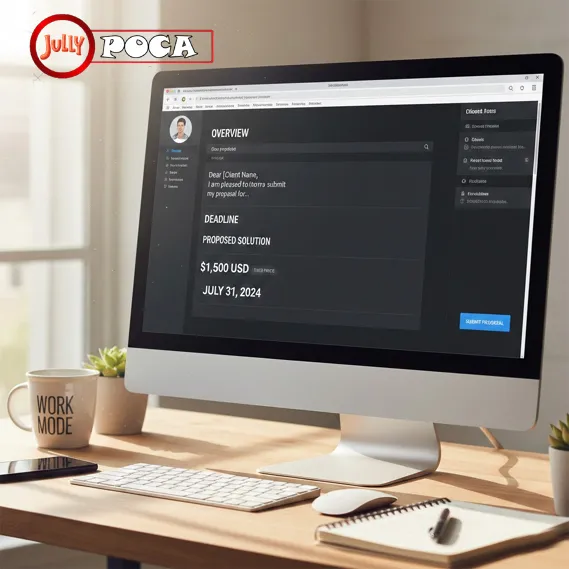
4. Set Smart Pricing That Matches Value, Not Fear
Many freelancers price from fear. They think, “If I charge less, I will get more work.” That often leads to burnout.
Start with a minimum project value
Set a minimum amount that makes each project worthwhile. This helps you:
- Filter out low‑value requests
- Protect your time and energy
- Focus on meaningful work
For example:
- “Minimum project: $100” for small tasks
- “Minimum project: $300” for design or development work
You do not need to write this on your profile. Just keep it in mind when deciding whether to send a proposal.
Offer three pricing levels
When possible, offer three options:
- Basic
- Standard
- Premium
Many clients choose the middle option. You can:
- Put your ideal package in the middle
- Use the basic option as an entry level
- Use the premium option for bigger needs
This gives clients control and reduces price tension.
Raise prices as proof grows
As you collect more projects, reviews, and portfolio items, slowly raise your rates.
You can also research freelance marketplace statistics on reputable sites like freelance marketplace statistics to understand common price ranges.
Do not jump overnight. Increase gradually, and watch how clients respond.
5. Build Trust With Reviews, Portfolio, and Reliability
Online, trust is everything. People cannot see you or meet you. They rely on signals.
New people per hour buyers often check:
- Reviews
- Completed projects
- Portfolio samples
- Response speed
You want each of these to work in your favor. ✅
Ask for honest reviews, not “perfect” reviews
After a successful project, ask politely for feedback. You can say:
“It was great working with you on this project. If you feel happy with the result, a short review on the platform would really help my freelance profile.”
Do not push or beg. A calm, polite reminder is enough.
Show real, relevant portfolio items
Your portfolio should not be a dumping ground. Choose items that match:
- Your current niche
- The type of clients you want
- The services you still offer
For each item, include:
- Short context: type of client and goal
- Your role: what you actually did
- Result if available: “Opened 20% more emails” or “Reduced support tickets”
Quality beats quantity here. 🌟
Be reliable in small things
Trust also grows from small habits:
- Reply within a clear time frame
- Deliver on the date you agreed
- Communicate early if there is a delay
- Keep promises, even tiny ones
Many clients stay with a freelancer for years just because they are reliable.
6. Use peopleperhour Offers Strategically
Offers can help you attract clients who are browsing, not posting jobs. Used well, they act as small product pages.
What makes a strong Offer
A strong Offer is:
- Clear
- Specific
- Easy to say “yes” to
It should show:
- Exactly what the buyer gets
- Exact price and delivery time
- Any limits or conditions
Example Offer ideas:
- “Design a simple, modern logo with 3 concepts and 2 revisions in 5 days”
- “Write a 700‑word product description optimized for conversions in 3 days”
- “Fix one WordPress bug and send a short video explaining the fix”
Keep your Offers aligned with your main service
Do not create Offers that pull you far from your main niche. Use them to:
- Show your main strength
- Give clients a low‑risk way to try you
- Turn small jobs into bigger ongoing work
You can adjust or remove Offers that do not convert over time.
7. Communicate Like a Calm Professional
Communication can make or break projects. Clients want to feel safe, heard, and informed.
Set expectations early
At the start of each project, confirm:
- Scope: what is included and what is not
- Timeline: key dates and milestones
- Process: how you work and what you need
- Channels: where you will communicate
You can send a short summary message:
“To confirm, I will deliver A, B, and C by DATE. This includes two rounds of revisions. I will share a first draft by DATE for your feedback.”
This reduces misunderstandings and scope creep. 🧩
Send simple progress updates
You do not need to send long reports. Short updates are enough:
- “I have finished the outline. Draft coming tomorrow.”
- “Design concept 1 is ready. Uploading for your review.”
Updates show that you are active and engaged.
Stay calm when problems appear
Sometimes:
- Briefs are unclear
- Clients change their minds
- Delays happen
Respond with clarity, not emotion:
- Restate the situation
- Offer options
- Ask the client what they prefer
This builds trust and often turns stressed clients into loyal ones.
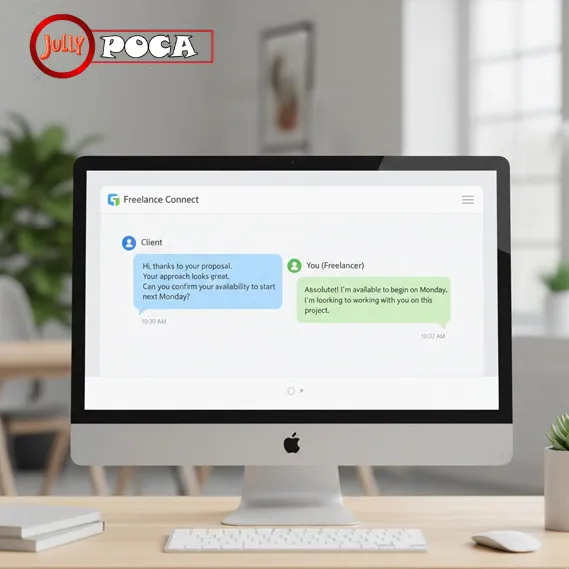
8. Choose the Right Projects and Protect Your Time
Not every project is worth it. Saying “yes” to everything usually leads to stress and low earnings.
Many peopleperhour freelancers fear saying no. Yet strong filters protect your time and reputation.
Red flags to watch for
Be careful with projects that:
- Have very low budgets but huge scope
- Use rude or disrespectful language
- Refuse to answer simple questions
- Want work done “today” for complex tasks
- Ask to move off the platform immediately
You can still respond politely, but you do not need to accept.
Create your personal acceptance checklist
Before you send a proposal, ask:
- Do I understand the outcome this client wants?
- Is the budget fair for the work and time involved?
- Can I deliver on time with my current schedule?
- Does this project fit my niche and portfolio?
If most answers are “no,” skip it. A clear “no” makes room for better “yes” projects.
Use boundaries to avoid burnout
Protect your:
- Working hours
- Weekend and rest time
- Mental space
You can set expectations like:
“I usually reply within 24 hours, Monday to Friday. If something is urgent, please mark it clearly in your message.”
Healthy boundaries support better work and happier clients. 💚
9. Turn One‑Off Clients Into Long‑Term Partners
The easiest clients to win again are the ones you already pleased. Long‑term clients bring stability and less marketing work.
Make handover smooth and helpful
When you deliver a project, add:
- Short instructions if needed
- Simple tips to get the most from your work
- A note that you are available for future help
Example:
“I have attached the final files and a short PDF with usage tips. If you need ongoing blog content or updates in the future, I would be glad to help.”
This feels caring, not pushy.
Suggest logical next steps
Think about what the client might need after this project. Then suggest it gently.
Examples:
- After a logo: “Brand guidelines or social media templates”
- After a website: “Ongoing maintenance or speed optimization”
- After blog posts: “Monthly content plan or email newsletter”
You are not forcing. You are guiding. 🔄
Stay in light contact
You do not need to message clients every week. But you can:
- Check in after a month with one short message
- Share one relevant idea or suggestion
- Mention one new service, only if it fits
Simple, respectful follow‑ups keep you in their mind.
10. Track Your Numbers and Improve Intentionally
Freelancing involves uncertainty. Tracking a few numbers gives you control and clarity.
Key metrics to watch
You do not need complex tools. A simple spreadsheet is enough. Track:
| Metric | Why It Matters | Example Question to Ask |
|---|---|---|
| Proposals sent | Shows activity level | Am I applying enough? |
| Proposal‑to‑reply rate | Shows message quality | Do clients respond to my pitches? |
| Reply‑to‑project win rate | Shows call or chat effectiveness | Do chats turn into projects? |
| Average project value | Shows earning power per job | Am I pricing too low? |
| Repeat client percentage | Shows relationship strength | Do clients come back? |
Review these every month. Look for patterns instead of judging yourself.
Use data to make small changes
If your proposal‑to‑reply rate is low, improve:
- First lines of your messages
- Relevance to the project
- Clarity of your plan
If your average project value is low, improve:
- Packages and pricing
- Niche focus
- Client filters
Small, steady improvements compound over time. 📈

11. Invest in Skills, Not Just “Hacks”
Shortcuts can help, but long‑term success comes from real skills and reliability.
Clients pay for outcomes, not tricks.
Improve both technical and soft skills
You need:
- Strong core skills (writing, design, coding, etc.)
- Soft skills (communication, planning, empathy)
Choose one skill each quarter to improve. For example:
- Better sales calls
- Deeper knowledge of one software tool
- Stronger writing or design fundamentals
Use:
- Short online courses
- Well‑reviewed books
- Practice on your own projects
Even 30 minutes a day can move you ahead of many freelancers. 📚
Build a calm, long‑term mindset
Freelancing has ups and downs. Some months are busy. Some are quiet.
Instead of panicking:
- Keep a small emergency fund if possible
- Keep improving your portfolio
- Keep sending thoughtful proposals
Your goal is not one perfect month. Your goal is a stable, growing career.
FAQs About Succeeding on people per hour as a Freelancer
1. How long does it take to get the first client?
It varies. Some freelancers get a client within days. Others take a few weeks.
A strong profile, clear niche, and consistent proposals usually speed things up.
2. Is the people per hour platform safe for freelancers?
Yes, the platform offers project workrooms, payment protection, and a dispute process.
Always keep communication and payments inside the platform for safety.
3. What should I do if a client asks to work outside the platform?
Stay polite but firm. You can say you prefer to keep work on the platform for safety and clarity.
This protects you and also follows platform rules.
4. How do I handle very low budget offers?
You can decline or suggest a smaller, more realistic scope for that budget.
Do not feel forced to accept prices that do not respect your time.
5. How many proposals should I send per week?
There is no fixed number. Many successful freelancers treat it like sales.
For example, they send 5–10 targeted proposals per week, focusing on quality, not volume.
6. Should I offer free samples?
Free work is risky. Instead, share past work or create one or two portfolio pieces as examples.
If you ever do a sample, keep it very small and clear.
Conclusion: Build a Steady, Human‑Centered Freelance Career
When you work deliberately on peopleperhour, you build more than “gigs.” You build a real, flexible career.
You have learned how to:
- Shape a clear, trustworthy profile
- Focus your niche and packages
- Write proposals that feel human and relevant
- Protect your time and choose better projects
- Turn good work into ongoing relationships
You do not need to apply every strategy at once. Start with one or two. Apply them this week. Then add more over time.
Your skills, your care, and your consistency are your real advantages. Keep showing up with clarity and respect, and the right clients will notice. 🚀