



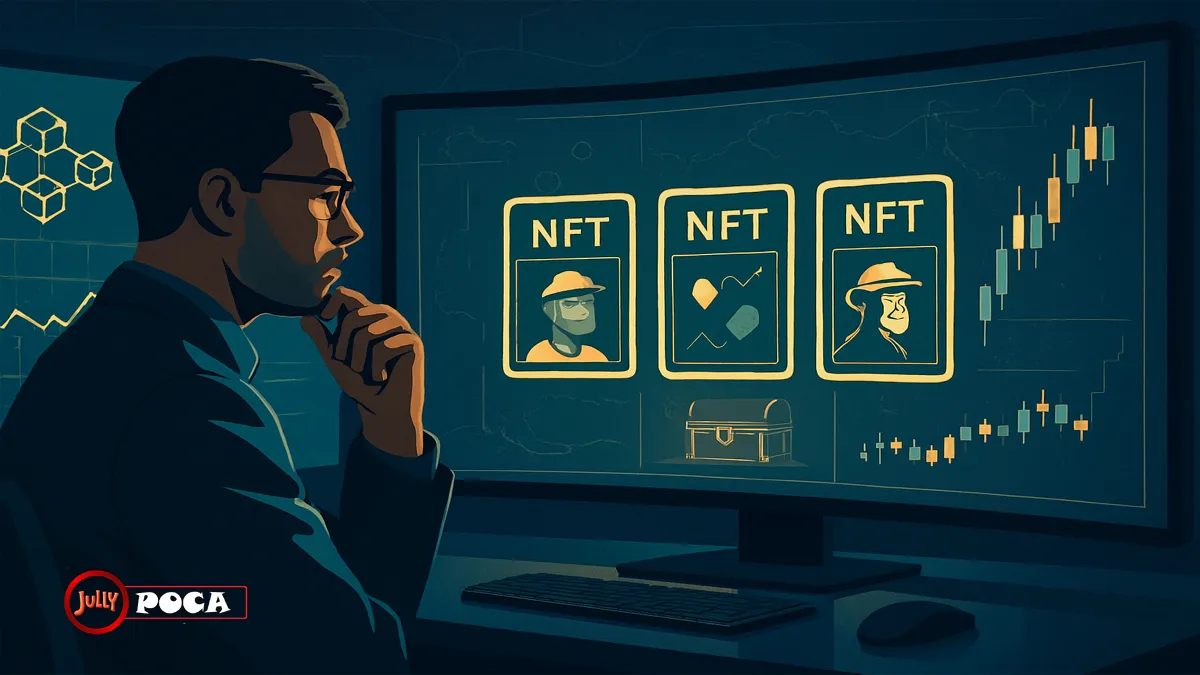
If you have been exploring crypto, you have likely heard about treasure nft in forums, ads, or social media. It feels exciting, but also confusing. There are bold promises, complex websites, and strong opinions on both sides.
You may be asking yourself questions like:
- Is this just another nft treasure hype cycle?
- Is treasure nft real or fake, or something in between?
- How do I even judge the risks and login to the right site safely?
These are healthy questions. Smart investors do not chase every trend. They slow down, check the facts, and protect their capital first.
This article walks you through five surprising facts that many people overlook. You will learn:
- How to spot real value versus marketing talk.
- What to know before using any treasure nft login page.
- How news, regulation, and platform design affect your returns.
You do not need to be a crypto expert. You just need a calm mindset, a critical eye, and a willingness to step back from hype. Let’s start with what most people underestimate: the real risk level.
Fact #1: The Hype Around Treasure NFT Hides Very Real Risks ⚠️
Many investors enter NFT projects because of fear of missing out. They see screenshots, big percentage gains, and community buzz. This can be dangerous.
Volatility Is Not a Bug, It Is the Feature
NFT markets move fast. Prices can jump or fall within hours. Liquidity can vanish overnight. That applies to many NFT collections and platforms, including projects like this one.
A typical pattern looks like this:
- Early wave of interest.
- Rapid price spikes as new buyers rush in.
- Sharp pullbacks when excitement cools.
- Long flat periods with very little trading.
If you buy during the second step and need to sell during the fourth, you can face steep losses.
“Treasure NFT Real or Fake” Is the Wrong First Question
Many people search treasure nft real or fake as if scams always look obvious. Real scams often look polished and professional. Real projects can still fail or lose value.
Instead of asking only “real or fake,” ask:
- Who is behind the project?
- Can I find them on LinkedIn or other professional profiles?
- Do they have a public track record in tech, gaming, or finance?
- What is the business model? How does money actually flow?
You can also ground your understanding by reviewing non-fungible token (NFT) basics through trusted sources like non-fungible token (NFT) basics.
Real-Life Example
Imagine an investor, Sara. She sees impressive treasure nft news posts on social media. Screenshots show huge returns.
She invests a large part of her savings within days. Weeks later, trading volume drops. She cannot sell at the price she expected. Her capital is locked in an illiquid NFT market.
Her mistake was not “believing in NFTs.”
Her mistake was investing before understanding risk, liquidity, and how the platform works.
Smart investors treat NFT projects like very early-stage startups. High upside is possible. Failure is common.

Fact #2: Utility Matters More Than Hype or Art 🎯
At first, NFTs were mainly about art and collectibles. Today, value often comes from utility instead. Investors care about what the NFT lets them do, more than how it looks.
This applies to any nft treasure style ecosystem. Utility can transform an interesting picture into a working asset.
Types of Utility That Actually Matter
When you evaluate a project, look for practical use cases like:
- In-game use: Items or land that matter in an active game.
- Access rights: Entry to exclusive communities, events, or content.
- Revenue share: A share in platform fees or in-game revenue.
- DeFi integrations: Use as collateral or yield-bearing positions.
The more ways users can benefit, the more resilient demand becomes.
Comparing Speculation vs Utility
Here is a simple comparison that you can apply to treasure-style NFT ecosystems.
| Feature | Purely Speculative NFT | Utility-Focused NFT |
|---|---|---|
| Main attraction | Price going up | What you can actually do with it |
| Demand drivers | Hype, trends, influencers | Game usage, membership, income, real benefits |
| Typical holding period | Very short | Medium to long term |
| Sensitivity to social media | Extremely high | Lower, value tied to usage |
| Long-term survival chances | Often low | Higher if utility keeps improving |
When you research projects like treasure nft xyz, ask:
- Does this asset help players win games?
- Does it enable access that people truly want?
- Does it share value with holders in a clear way?
If the answer is vague or missing, the token may rely on hype alone.
Mini Example
A game-based collection where each NFT boosts in-game rewards has clear utility. Players buy for performance, not just speculation. That demand can remain even when broader NFT markets cool.
Contrast this with a random collection that only promises “future utility.” You are betting on a promise, not a working product.
Fact #3: You Must Understand How the Platform Itself Makes Money 🧮
Before you invest in any NFT ecosystem, ask a simple question: “How does this platform earn income?” If you cannot answer, you are at a disadvantage.
This includes platforms that use dashboards, a treasure nft login page, or portals like treasure nft xyz.
Common Revenue Models You Should Recognize
Many NFT platforms use a mix of these:
- Trading fees: A small percentage charged when NFTs trade.
- Minting fees: Fees for creating new NFTs.
- Premium features: Paid boosts, subscriptions, or advanced tools.
- Token emissions: New tokens given as rewards, often diluting supply.
- In-game purchases: Skins, items, tickets, or power-ups.
Your returns often depend on how sustainable these models are.
If a platform mostly prints new tokens, early users can earn. Late users may hold highly diluted assets.
Where the Money Comes From (And Goes)
Think in simple cash flow terms:
- Who is paying real money into the system?
- Is that money coming from new users only?
- Is there external revenue, such as partnerships or game sales?
- What share, if any, returns to NFT holders?
If value flows mainly from new entrants to earlier ones, that is a red flag. Sustainable ecosystems create value through games, tools, or services that people want to use.
Using the Login Page as a Security Signal
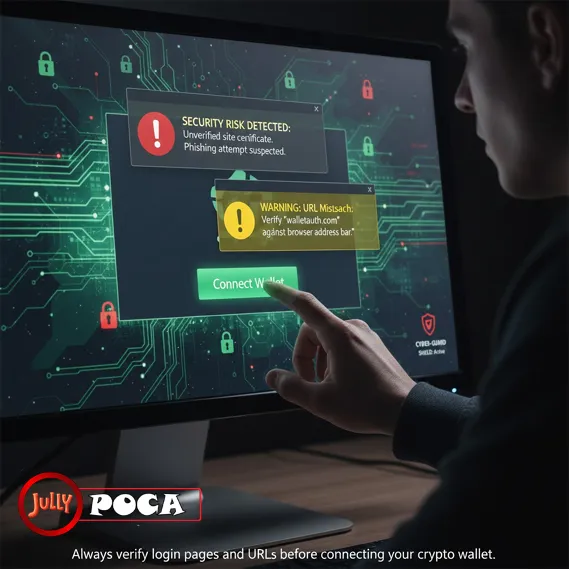
The presence of a treasure nft login screen or dashboard does not guarantee safety. However, you can often spot warning signs:
- URL looks strange or has extra characters.
- No HTTPS or invalid security certificate.
- No company details, privacy policy, or terms.
- Many pop-ups asking you to connect wallets immediately.
Advanced users also think about blockchain security best practices. You can review guides, such as blockchain security best practices, to build safe habits.
Connect your wallet only after:
- Verifying the correct domain from multiple trusted sources.
- Checking that the project’s official channels share the same link.
- Using a hardware wallet for high-value assets.
Real-Life Example
Luis hears about an NFT ecosystem through a chat group. Someone sends a login link. He almost connects his main wallet.
He pauses and checks the official website and social channels. He sees a warning: fake sites are active. The URL in his chat does not match.
Fact #4: Treasure-Style NFT Investments Are Highly Exposed to Regulation and Taxes 🧾
Many investors focus only on price charts. They ignore law and policy. This is a mistake, especially in NFTs and gaming.
Projects similar to treasure nft often mix tokens, games, and financial incentives. That can attract attention from regulators.
Regulation Risk Can Arrive Suddenly
Regulators across different countries are still figuring out how to classify NFTs. Some may see them as:
- Pure digital collectibles.
- Securities or investment contracts.
- Gambling products, when linked to chance-based rewards.
- In-game items with monetary value.
A change in classification can:
- Force platforms to block users in certain regions.
- Require KYC and identity checks.
- Limit how tokens are marketed or rewarded.
If you rely on income from an NFT ecosystem, these changes can hit your returns fast.
Tax Rules Are Often Complex
Even when regulation is unclear, tax authorities may still expect reporting. This can include:
- Capital gains when selling NFTs or tokens.
- Income from staking, airdrops, or play-to-earn rewards.
- Gift or inheritance tax in some countries.
You do not need to understand every detail. However, speak with a tax professional if you invest serious amounts. Keep:
- Screenshots of transactions.
- Exports from your wallet history.
- Notes on what each transaction represents.
This saves stress later, especially in fast-moving ecosystems built around NFTs.
How “News” Can Move Both Prices and Rules
You will often see treasure nft news shared in Telegram groups, Discord, or X. Some updates are about:
- New game launches.
- Partnership announcements.
- Influencer endorsements.
Others are about:
- Platform hacks.
- Regulatory investigations.
- Legal disputes.
Always ask:
- Who posted this news?
- Is there a source outside the project’s own channels?
- Is it opinion or verified fact?
This does not mean you must ignore social media. It means you should weigh it carefully, especially when money is involved.
Fact #5: Your Strategy Matters More Than Timing the Perfect Entry 📈
Many investors obsess over catching the exact bottom and selling at the exact top. In practice, almost nobody does this consistently.
Instead, your strategy has more impact than your entry moment.
This also holds for investments in ecosystems like treasure nft, or other NFT-heavy platforms.
Core Strategy Questions to Ask Yourself
Before you invest, write down answers to these:
- How much of my portfolio can I risk in NFTs?
- What time horizon am I comfortable with?
- At what loss level will I exit without debate?
- What signals will tell me the project is improving or declining?
You can use simple rules, such as:
- Limit NFT exposure to a small percentage of total assets.
- Take profits gradually when prices multiply.
- Exit if the core team disappears or stops delivering updates.
Diversification Within NFTs
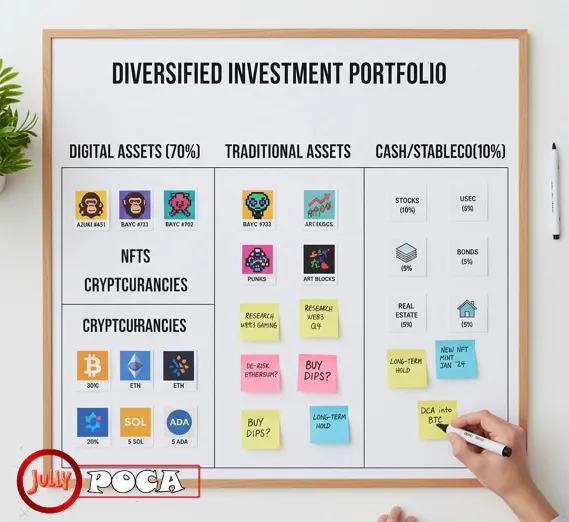
Do not place everything into a single project. Even if it looks promising. Instead, you can:
- Spread capital across different NFT genres.
- Mix gaming, art, tools, and infrastructure projects.
- Combine NFTs with more traditional crypto assets.
This helps reduce the impact of one project failing.
Think Like a Venture Capitalist, Not a Gambler
Venture investors assume many early projects will fail. They do not expect each bet to win. Instead, they:
- Limit position sizes.
- Monitor progress.
- Double down only on clear winners.
You can apply the same mindset. See projects like this as high-risk startup bets, not guaranteed tickets to wealth.
If a certain NFT ecosystem delivers long-term value, your smaller position can still grow meaningfully. If it fails, your loss remains contained.
Frequently Asked Questions About Treasure-Style NFT Investing ❓
Is treasure nft a guaranteed way to grow my money?
No. Any NFT-focused ecosystem involves high risk. You can lose part or all of your capital. Treat it like a speculative investment, not a savings account.
How can I check if treasure nft real or fake?
Look beyond flashy websites. Review:
- The team’s public identities.
- Clear business models and documentation.
- Community discussions on independent platforms.
- Whether code or audits are available.
Combine information from several sources to form a view.
What should I look for on a treasure nft login page?
Check the URL carefully and confirm it matches official links. Verify:
- HTTPS and valid certificates.
- Presence of legal pages like terms and privacy policy.
- Reasonable wallet permission requests.
If anything feels off, disconnect and leave immediately.
How important is following treasure nft news?
News can signal both opportunity and danger. Use it to:
- Track feature releases, game launches, or integrations.
- Stay aware of security incidents or regulatory changes.
- Gauge community sentiment shifts.
Do not trade only on headlines. Combine news with your own analysis.
Should beginners even touch nft treasure style projects?
Beginners can explore these ecosystems, but with very small amounts. Focus first on understanding:
- Basic crypto security.
- NFT market mechanics.
- Your own risk tolerance.
Consider such projects an advanced step, not a starting point.
Conclusion: Treat Treasure NFT Like a High-Risk Startup Bet, Not a Sure Thing ✅
You now know the five core facts that many people overlook when they consider treasure nft and similar ecosystems:
- Hype can hide extreme volatility and real downside risk.
- Utility and real-world use matter more than art alone.
- You must understand how the platform earns money and protects users.
- Regulation and tax rules can dramatically alter outcomes.
- Your strategy, sizing, and discipline matter more than perfect timing.
NFT ecosystems can offer innovation, fun, and potential reward. They can also bring stress, loss, and regret if you enter blindly.
Move at your own pace. Start small. Study the underlying technology and what are NFTs through resources such as what are NFTs. Keep your broader financial health ahead of any individual bet.
Smart investors do not chase every opportunity. They choose a few that align with their knowledge, risk tolerance, and long-term plans. Use that mindset as you evaluate any promise, login screen, or news update linked to treasure nft or other NFT ventures.
Your capital is hard-earned. Treat it with respect. The right information, patience, and discipline will serve you better than any hype cycle ever will.