




If you feel overwhelmed by scattered files, apps, and notifications, you are not alone. Many professionals install a sync tool, use it lightly, and never unlock its full value. That is often what happens with apps and software aliensync as well.
Used with intention, this platform can become the quiet engine behind your day. It can keep projects aligned, reduce manual work, and cut small daily frustrations. The goal of this guide is to help you go from “installed and forgotten” to “streamlined and reliable.”
You will find eight practical tips, real examples, and small changes that make a big difference. You can apply them step by step, without reshaping your entire workflow overnight.
1. Start With One Clear Outcome, Not Every Feature at Once 🎯
Many people open a new tool and try to use everything on day one. That usually leads to confusion and early burnout.
Instead, start with one simple outcome, such as:
- Keep work files synced between laptop and phone.
- Share a single project folder with your team.
- Back up important client documents automatically.
Ask yourself:
- What is the single biggest daily frustration with your digital work?
- How could this syncing platform remove or reduce that frustration?
Then configure apps and software aliensync around that one outcome first. Once that feels smooth, add a second outcome.
Real example:
A freelance designer decided her first outcome would be “never lose track of the latest client logo version.” She created one master “Client Logos” folder, synced it across devices, and shared it with clients. Only after that worked well did she add more complex rules and folders.
2. Map Your Devices and Apps Before You Sync Everything 🗺️
The biggest risk with any synchronization tool is chaos. Files appear in odd places. Old versions overwrite recent ones. Notifications explode.
You avoid this by mapping your environment before you change settings.
List:
- Every device you use (work laptop, personal laptop, phone, tablet).
- Core apps you rely on (email, project management, cloud storage).
- Where your most important files live today.
Then decide:
- Which devices should have full access?
- Which should have limited or read-only access?
- Which folders must never sync to shared spaces?
A simple map might look like this:
| Device / App | Access Level | Primary Use Case |
|---|---|---|
| Work Laptop | Full | Editing, project work, file management |
| Personal Laptop | Limited | Reference only, no client editing |
| Phone | Read-only on key folders | Quick checks, viewing, sharing on the go |
| Shared Team Folder | Full for team leads | Active collaboration |
This small planning step prevents many later headaches. It also helps you choose correct permissions and structure.
3. Design a Folder Structure That Matches Real Work, Not Theory 🧩
A complex, “perfect” structure on paper often fails in daily life. You need something simple enough that you will actually use it.
Focus on three levels:
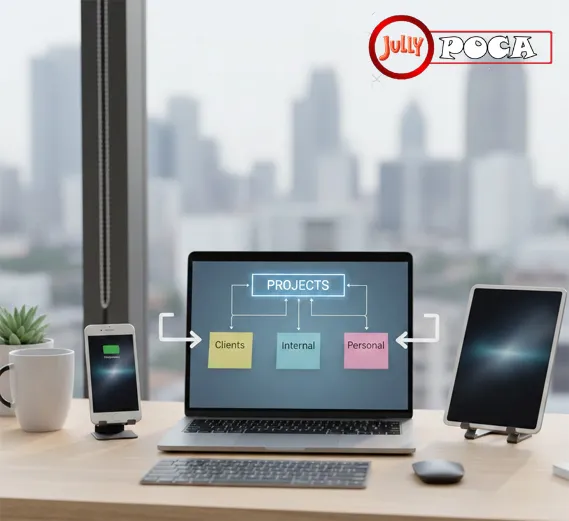
- Top level: Big areas of your life or work.
- Examples: “Clients,” “Internal Work,” “Personal,” “Archive.”
- Middle level: Projects or responsibilities.
- Examples: “Client – Aurora Media,” “Product Launch Q3,” “Tax Documents.”
- Bottom level: Assets and formats.
- Examples: “Contracts,” “Designs,” “Reports,” “Assets – Raw Photos.”
Aim for:
- Clear names, with dates where helpful.
- Avoid deep nesting; three or four levels is usually enough.
- Consistent naming across devices.
Real example:
A marketing manager built a simple three-level system: “Campaigns → Year → Campaign Name.” Each campaign then had the same four folders: “Briefs, Assets, Reports, Final.” This made it very easy to find and sync what mattered.
4. Use apps and software aliensync Rules to Reduce Repetitive Work ⚙️
Once your structure feels stable, let the tool handle repetitive actions. Many users never explore rules or automation, and they miss huge time savings.
Useful rule ideas:
- Auto-sync a “To Process” folder to your main workstation.
- Mirror a “Published Content” folder to a shared team area.
- Archive files older than a set date to long-term storage.
Think of rules as quiet helpers that:
- Move files between stages.
- Remove clutter from active folders.
- Keep shared spaces current.
Real example:
A content creator set up a rule: every file moved into “Final Articles” automatically synced to a shared “Publishing” folder. This removed one manual step from every project and reduced mistakes.
When you add a new rule, test it gently:
- Use a test folder.
- Add a few sample files.
- Confirm the rule behaves as expected.
Then apply it more widely.
5. Protect Sensitive Data With Thoughtful Permissions and Backups 🔐
Convenience is great, but not at the cost of security. This is where many teams cut corners.
Create a simple security checklist:
- Which folders contain confidential client or company data?
- Who needs access, and at which level?
- Which devices are less secure and should have limited access?
Then apply:
- Read-only access for people who do not need to edit.
- Restricted access for confidential or legal documents.
- Separate personal and work spaces, especially on shared devices.
Also maintain a backup plan outside your main sync structure:
- A secure cloud backup provider.
- Or an encrypted external drive, updated regularly.
Real example:
A small legal firm created a “Sensitive – Legal Only” folder with access only for partners. Shared staff had separate “Templates” and “Forms” folders with broader access. This simple split reduced risk and confusion.
6. Bring Your Team Onboard With Clear Agreements 🤝
Even the best setup fails if everyone uses it differently. Shared tools require shared agreements.
Have a short discussion or document that explains:
- Which folders are for drafts.
- Which are for final or approved files.
- How to name files and versions.
- When it is safe to delete or archive.
Keep rules simple and visible. For example:
- “All client-ready files go in ‘Final’ folders.”
- “Do not rename shared root folders.”
- “Use YYYY-MM-DD at the start of file names.”
You can also create a short “How we use this tool” guide. Link it internally from your onboarding materials or knowledge base.
Real example:
A remote startup agreed that only project leads could create top-level project folders. This kept the shared space organized and prevented duplicates.
7. Use Light Integrations Instead of Complex Stacks 🔗
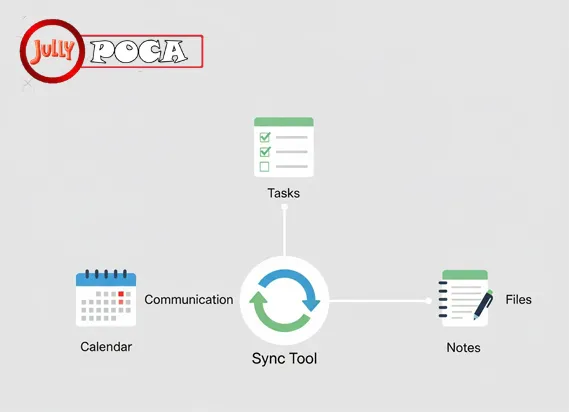
Many professionals use task managers, calendars, and note apps alongside their sync platform. Integration helps, but over-integration creates fragility.
Aim for light, clear connections:
- Link project folders in your task manager descriptions.
- Attach synced documents to meeting notes.
- Use a shared folder as the single “source of truth” for a project.
Avoid:
- Long chains of tools that break when one changes.
- Multiple “final” copies spread across different apps.
- Overlapping automation that confuses where files really live.
A helpful practice is to decide:
- “Where do we store files?”
- “Where do we track tasks?”
- “Where do we communicate?”
Then keep each tool focused on its strength.
8. Review and Refine Your Setup Monthly for Ongoing Clarity 🔁
Your work changes over time. New clients arrive. Old projects close. Without periodic review, any system starts to feel heavy.
Set a short monthly review, maybe 20–30 minutes:
- Archive finished projects into an “Archive – Year” folder.
- Remove or adjust rules that no longer serve you.
- Re-check permissions on sensitive folders.
- Note any recurring frustrations and ideas for change.
You can also track a few simple signals:
- How often you search for a file and cannot find it.
- How many duplicate versions appear.
- How many “where is the latest file?” messages you receive.
If these numbers drop, your structure and habits are working.
Real example:
A consultant scheduled a calendar reminder called “Digital Cleanup.” Each month she archived finished work, removed old drafts, and checked shared folders. After three months, she reported far less digital stress and fewer client mix-ups.
How apps and software aliensync Fits Into a Calm, Productive Workflow 😌
By now you can see the pattern. Technology helps only when it fits human habits and real constraints. Apps and software aliensync becomes a brilliant tool when:
- You start with one clear outcome.
- You design a simple, honest folder structure.
- You add rules slowly and test them.
- You protect sensitive data intentionally.
- You align teammates around shared expectations.
- You keep integrations light.
- You review and refine your setup over time.
None of these steps require advanced technical skills. They require attention, clarity, and a willingness to adjust.
Quick Comparison: Reactive vs. Intentional Use
To highlight the difference, here is a simple comparison:
| Approach Type | Reactive Use | Intentional Use |
|---|---|---|
| Setup | Install and hope it works | Plan devices, structure, and outcomes |
| Folder Structure | Grows randomly over time | Follows a simple, shared pattern |
| Security | Same access for almost everyone | Thoughtful permissions and separate spaces |
| Automation | None or confusing, overlapping rules | A few clear, well-tested rules |
| Team Habits | Each person works their own way | Shared agreements and naming conventions |
| Maintenance | Only when something breaks | Short monthly review and cleanup |
| Emotional Impact | Stress, doubt, wasted time | Confidence, trust, and smoother collaboration |
This shift from reactive to intentional use is what turns any sync platform into a steady ally. It is especially true for apps and software aliensync, which offers enough flexibility to support many workflows.
FAQs About Using This Tool Effectively ❓
1. How long does it take to set things up properly?
Most people can create a basic, intentional setup in one or two sessions. The key is to start small, then refine monthly, instead of trying to “finish” everything at once.
2. What if my team already has a messy shared space?
You do not need a full reset. Start with one active project. Clean its structure, naming, and permissions. Use that as a model. Over time, move other projects into the new pattern.
3. Can I safely use this tool across personal and work devices?
Yes, if you separate spaces clearly. Keep personal folders outside work shares. Limit work access on family or shared devices. Use strong passwords and, where possible, multi-factor authentication.
4. How do I avoid duplicate files and version confusion?
Use clear file naming with dates and status labels. For example: 2026-02-19_Project-Proposal_FINAL.docx. Keep “draft” work in separate folders from “final” work. Make this a shared habit for your team.
5. What if automations break something?
Start all new rules in a test area. Move only sample files at first. Once a rule behaves correctly, apply it more widely. Review your current rules during your monthly checkup.
6. Is this approach suitable for non-technical users?
Yes. The steps focus on clarity and structure, not deep technical features. Many non-technical professionals find that once the system is set up, daily use feels natural.
Conclusion: Turn apps and software aliensync Into a Quiet Superpower 🚀
When used with care, apps and software aliensync can become the invisible support behind your best work. You can reduce scattered files, cut repetitive tasks, and give your team a shared language for collaboration.
Begin with one focused outcome. Map your devices. Shape a simple folder structure. Add gentle automation. Protect what is sensitive. Align your team. Review often.
Each change is small, but together they create a stable, calm, and reliable system. Your tools should support your focus, not compete for it. With these eight tips, you are ready to guide this platform into that supportive role and let it quietly elevate your everyday work.