



If you feel stuck with thinning edges or dull strands, batana oil might be worth a closer look. This traditional nut extract has been used for generations to care for scalp and hair. Many people swear by batana oil benefits for softer, fuller-looking strands and a calmer scalp. Today, more people are discovering batana oil for hair masks, scalp massages, and protective styles that fit into modern routines. 🌿
Before you add a new product to your routine, it helps to understand how it actually works, what results to expect, and how to use it safely. Let’s walk through everything step by step.
What Is Batana Oil and Why It’s Different?
This rich, golden-brown oil comes from the nuts of the American palm, traditionally harvested in Central America. Locally, it has been used for both hair and skin care for many years.
A few key features set this extract apart:
- It is naturally high in emollient fatty acids, especially oleic acid.
- It has a thick, almost buttery texture that melts with warmth.
- It offers gentle antioxidant properties thanks to natural compounds in the nut pulp and oil.
These qualities make it especially helpful for:
- Dry, coarse, or porous hair
- Curly and coily textures
- Color-treated or chemically processed strands
- People in dry, windy, or very sunny climates
Now, let’s break down the top 10 benefits and how you can use them in real life. ✨
1. Deeply Replenishes Dry, Brittle Hair
Dry hair often has raised cuticles and gaps in the hair shaft. Moisture escapes easily, leaving strands rough and fragile.
This traditional nut oil acts as a rich emollient. It helps:
- Coat the hair shaft and reduce moisture loss
- Soften the outer cuticle layer
- Improve how hair feels to the touch
How to use it for dryness
Try these simple ideas:
- Pre‑shampoo treatment:
- Warm a teaspoon between your palms.
- Apply from mid‑lengths to ends.
- Leave on for 20–40 minutes, then shampoo.
- End sealer:
- After styling, rub a tiny drop between fingers.
- Gently smooth over your ends only.
Real‑life example:
Someone with bleached, shoulder‑length hair might use it once weekly as a pre‑wash treatment. Over a month, hair often feels less straw‑like and more flexible.
2. Helps Hair Look Thicker and Fuller
While no topical product can change your genetic hair count, the right ingredients can help hair appear fuller.
This oil can support that fuller look in a few ways:
- Reducing the look of frayed, thinned ends
- Coating strands so they feel more substantial
- Minimizing breakage, so more length is retained
Quick routine for a fuller look
- Focus on mid‑lengths and ends, not just roots.
- Use a pea‑sized amount on damp hair before air‑drying or diffusing.
- Combine with a lightweight volumizing spray at the roots.
Many people notice:
- Less see‑throughness at the ends
- Better clumping of curls or waves
- A more “filled‑in” ponytail over time
3. Supports Less Breakage and Fewer Split Ends
Breakage is a major barrier to longer hair. If strands snap off as fast as they grow, length never shows.
Because this nut extract is naturally rich and cushioning, it can:
- Reduce friction between strands
- Help protect fragile areas, like ends and hairline
- Soften rough cuticles that catch and tangle
Where to focus application
- Ends of braids and twists
- The nape of the neck (often rubs on clothing)
- Edges and hairline, especially under tight styles
Practical tip:
Before bedtime, apply a drop to your palms and lightly scrunch into your ends. Then sleep on a satin or silk pillowcase. This combination can noticeably reduce morning tangles and snaps.
4. Calms a Dry, Itchy, or Flaky Scalp
A stressed scalp can make hair care feel miserable. Tightness, itching, or visible flakes undermine confidence and can even discourage consistent routines.
This traditional oil can help by:
- Softening stubborn flakes, so they lift more easily
- Providing a light occlusive layer that slows water loss
- Easing the tight, uncomfortable feeling of a dry scalp
Simple scalp massage routine
Try this once or twice per week:
- Part your hair into 4–6 sections.
- Warm a few drops of the oil between your fingertips.
- Gently press onto the scalp, not just the hair.
- Use circular motions for 3–5 minutes.
- Leave on for at least 30 minutes, then shampoo.
Besides comfort, a relaxed scalp massage can also:
- Boost local circulation
- Help distribute natural oils along the hair shaft
- Make wash days feel more like self‑care 💆♀️
If you have severe flaking or redness, always speak with a dermatologist. This product can support comfort but does not replace medical treatment.
5. Adds Natural Shine Without a Heavy, Greasy Look
Dull hair often reflects light poorly because the cuticle is rough. When the surface is smoother, light bounces off more evenly, creating shine.
Used in small amounts, this oil can:
- Smooth the outer hair surface
- Reduce the appearance of frizz
- Give a soft, reflective sheen instead of a wet, greasy look
Shine‑enhancing tips
- Use less than you think you need. Start with a drop.
- Apply to damp hair for more even distribution.
- Focus on mid‑lengths to ends, avoiding roots.
For fine hair, keep it to an occasional finishing product. For thick or coily textures, a bit more can be used as part of a moisturizing routine.
6. Shields Hair From Environmental Stress
Sun, wind, dry indoor air, and pollution can gradually weaken hair. Over time, strands may feel rough, faded, and prone to breakage.
The fatty acid profile and antioxidant properties of this oil (similar to those described for antioxidant properties) can help hair cope with daily stressors by:
- Forming a light barrier over the hair shaft
- Reducing moisture loss in dry air
- Supporting the hair’s own defenses against environmental damage
When to use it most
You may benefit from slightly more frequent use if you:
- Spend a lot of time in the sun or at the beach
- Live in a very dry or windy climate
- Swim often in chlorinated pools
In those cases, using a small amount before exposure, then cleansing gently afterward, can be especially helpful.
7. Complements Your Hair Growth Routine
Many people are curious about batana oil for hair growth. It is important to keep expectations realistic. No oil can override hormones, genetics, or medical conditions.
However, this product can still support a growth journey by:
- Keeping the scalp more comfortable and better hydrated
- Reducing breakage, so length retention improves
- Supporting a calmer, more consistent routine
Reasonable expectations
You might notice:
- Less shedding from breakage on wash day
- Ends that stay intact longer
- Hair that appears fuller over several months
You are less likely to see:
- Instant regrowth in areas with long‑standing bald spots
- Complete reversal of medically driven hair loss
Think of this oil as one tool among many. It works best when combined with:
- Gentle cleansing and conditioning
- Balanced nutrition and hydration
- Stress management and enough sleep
- Medical guidance when needed
8. Works Across Many Hair Types and Textures
Because it is dense and rich, some worry this oil might only suit very coarse hair. In reality, it can help many hair types when used correctly.
Generally well‑suited for:
- Curly and coily hair (2C–4C)
- High‑porosity hair from bleach or color
- Thick, coarse, or wiry strands
Use with extra caution for:
- Very fine, low‑density hair
- Oily scalps that clog easily
- People prone to product buildup
Fine hair can often still benefit, but in micro‑doses:
- Mix a single drop with a light leave‑in conditioner.
- Use it only on the lower half of the hair.
- Avoid applying directly to the scalp.
Curly and coily hair types often enjoy using this as:
- A pre‑poo treatment before shampoo
- A sealing oil over leave‑in conditioner
- A finishing touch after twist‑outs or braid‑outs
9. Fits Easily Into Everyday Routines
A major advantage of this extract is flexibility. You can adapt it to different routines without overhauling your entire shelf.
Simple ways to use it
- Pre‑wash oiling:
- Apply to dry hair 30–60 minutes before shampooing.
- Focus on damaged areas.
- Scalp massage oil:
- Mix a few drops with a lighter carrier, like jojoba.
- Use for 5 minutes before showering.
- Sealant over moisturizer:
- Apply leave‑in cream or conditioner.
- Seal with a thin layer of oil, especially on ends.
- Finishing touch:
- After styling, warm a drop between your hands.
- Scrunch into curls or smooth over flyaways.
For many blogs or hair care sites, phrases like “scalp massage routine” or “wash day guide” here make ideal internal link anchors to other helpful articles.
10. A More Natural Alternative to Heavy Silicones
Many serums rely on silicones to give slip and shine. Silicones can be useful, but they sometimes cause buildup or dullness over time, especially if not cleansed properly.
This nut‑based oil offers an alternative feel:
- Provides slip without a plastic‑like coating
- Nourishes hair as it conditions
- Rinses out more easily with gentle shampoo
When a more natural option may help
You might prefer this type of oil if you:
- Are moving toward more plant‑based hair care
- Notice buildup or film from your current serums
- Want something that conditions and protects at once
You can also layer it with silicone‑free styling products to keep your routine simple and aligned with your preferences. 🌱
What Real Users Say: Understanding Batana Oil Reviews
Most batana oil reviews highlight two main themes:
- Texture and feel
- Reviewers often mention softer, more elastic hair.
- Many note less roughness at the ends and fewer tangles.
- Appearance of fullness and length
- Some users report less breakage and shedding over time.
- Others mention that protective styles last longer with less frizz.
However, not every review is glowing. Common concerns include:
- The texture feeling too heavy on fine hair
- The natural, earthy scent not appealing to everyone
- Impatience when results are not immediate
How to read reviews wisely
When you browse experiences online:
- Look for reviewers with hair similar to yours.
- Notice how long they used the product before judging results.
- Pay attention to whether they changed other factors, like diet or styling habits.
Reviews can guide expectations, but your own experience will be unique. Patch‑testing and starting slowly remains important.
Quick Comparison of Key Benefits
Here is a simple overview of how this oil can fit into your routine:
| Main Benefit | What It Helps Most | How Often to Use (Typical) |
|---|---|---|
| Moisture replenishment | Dry, brittle lengths and ends | 1–2 times per week |
| Breakage reduction | Fragile ends, tangles, rough cuticles | With every wash day pre‑treatment |
| Scalp comfort | Dry, tight, or mildly flaky scalp | 1–2 times per week as massage |
| Added shine | Dull, lackluster strands | As needed, in tiny amounts |
| Frizz control | Humid weather, textured hair | After styling, as a finisher |
Use this table as a starting point, then adjust to your hair’s feedback.
Possible Side Effects and Precautions
Even natural oils can cause issues for some people. It is important to use this ingredient thoughtfully.
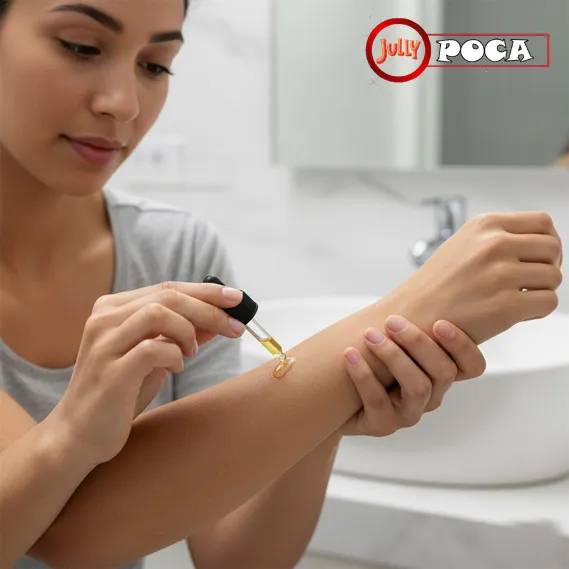
Patch test first
Before applying widely:
- Place a tiny amount on the inner forearm or behind the ear.
- Wait 24 hours and watch for redness, itching, or bumps.
If you react, avoid use on your scalp or hair.
Watch for buildup
Because this oil is rich and dense:
- Overuse may lead to heavy, greasy strands.
- Product buildup can make hair feel coated or dull.
To prevent this:
- Use clarifying shampoo once every 2–4 weeks, as needed.
- Adjust frequency based on how your hair responds.
Special situations
- Sensitive scalp or skin conditions:
Always speak with a dermatologist before trying new products. - Pregnancy or breastfeeding:
This ingredient is generally considered a cosmetic oil, but check with your healthcare provider if unsure.
Listening to your body and scalp is key. If discomfort appears, pause use and seek professional advice.
How to Choose and Store a Quality Product
Not all versions of this oil are equal. Quality can vary based on how the nuts are harvested, processed, and stored.
What to look for on the label
- Clear ingredient list with minimal additives
- Indication of cold‑pressed or minimally processed extraction
- Dark glass bottle to protect from light
If fragrance is added, make sure your skin tolerates it well.
Signs of a good batch
- Thick, rich texture that softens with warmth
- Color ranging from deep golden to brownish tones
- Scent that is earthy or nutty, not rancid
Storage tips
- Keep the bottle in a cool, dark place.
- Close the cap tightly after each use.
- Avoid storing it in direct sunlight or near heat sources.
Proper storage helps preserve fatty acids and keeps your bottle effective for longer.
FAQs About This Traditional Hair Oil
1. How long does it take to see results?
Most people notice softer hair within a few uses. Changes in breakage and overall length retention often take 6–12 weeks of consistent use. Remember, hair growth itself is slow and affected by many factors.
2. Can I use this oil with other hair products?
Yes. It works well with most shampoos, conditioners, and stylers. Apply lighter, water‑based products first, then seal with a small amount of oil on top.
3. Will it clog my pores?
If applied heavily on the scalp, any rich oil may contribute to buildup in some people. Use sparingly, and if you are prone to folliculitis or scalp acne, focus on lengths and ends instead of the scalp.
4. Is it safe for color‑treated or chemically processed hair?
Many people with colored or relaxed hair use this oil to offset dryness. Introduce it slowly and monitor how your hair responds. It should not strip color, but heavy use without proper cleansing can lead to dullness.
5. Can I leave it in overnight?
Yes, as long as your scalp tolerates oils well. Apply a modest amount, cover your pillow with a towel or use a bonnet, and wash or co‑wash in the morning if your hair feels heavy.
6. Is this oil suitable for children?
In many households, similar natural oils are used on children’s hair. Always patch‑test first, use very small amounts, and avoid contact with eyes. If your child has sensitive skin or eczema, talk to a pediatrician or dermatologist before use.
Conclusion: Is Batana Oil Worth Trying for Your Hair Journey?
Used thoughtfully, batana oil can become a valuable ally in your hair routine. It will not transform growth overnight, but it can:
- Replenish moisture in dry, brittle strands
- Reduce breakage and help you retain more length
- Soothe a dry scalp and add soft, natural shine
If you decide to try it, start small, stay consistent, and pay attention to how your hair responds over at least a few weeks. Pair it with gentle cleansing, a balanced diet, and, when needed, professional medical advice.
With patience and realistic expectations, this traditional nut oil can support a healthier, more confident relationship with your hair. 💚