



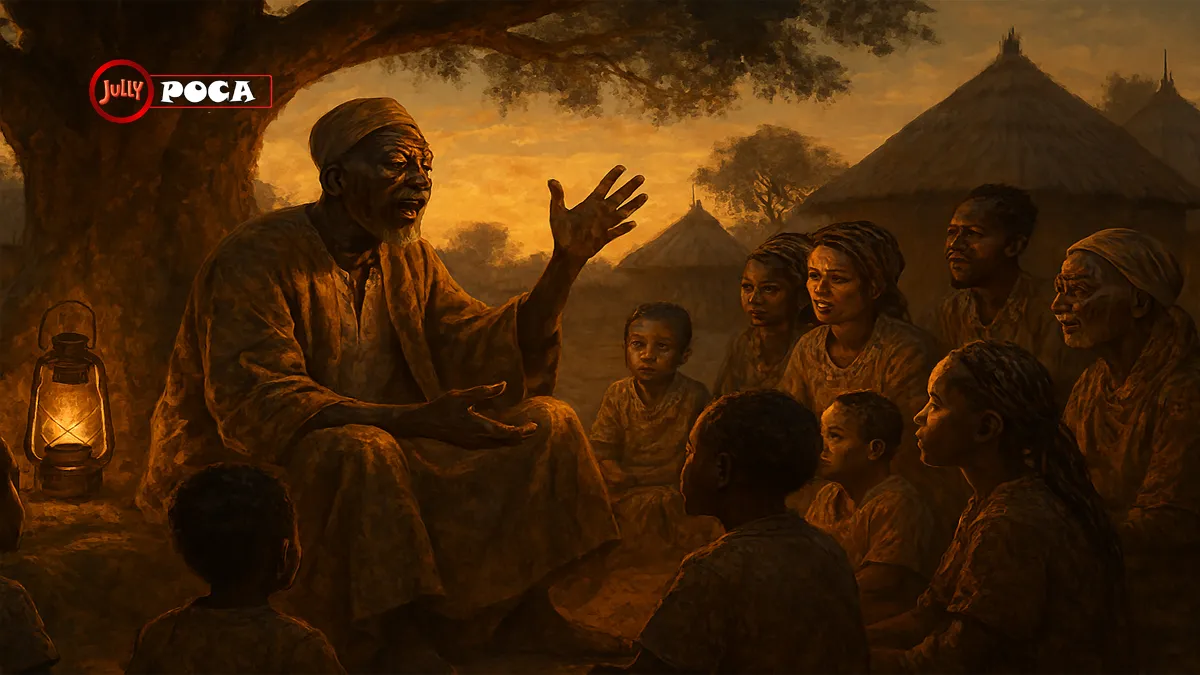
Across many African and Afro‑Asiatic communities, spoken language is more than simple communication.
It carries memory, ethics, and identity in every pause and rhythm.
In this context, mizwamta futsugesa has emerged as a helpful way to describe a complex style of speaking.
It points to those layered speech traditions where story, chant, proverb, and performance blend into one flow.
You might be wondering:
- What is Mizwamta Futsugesa, exactly?
- Why Is Mizwamta Futsugesa Important in today’s world?
- How do its origins and interpretive background shape how people understand it now?
- What is the mizwamta futsugesa Context and Modern Relevance in digital culture?
This article walks through seven clear insights.
Each section focuses on meaning, background, and living practice.
The goal is simple: offer respectful, practical understanding that you can carry into real conversations. ✨

Insight 1: What is Mizwamta Futsugesa? 🗣️
To begin, we need a working definition.
In this article, mizwamta futsugesa refers to a style of spoken performance.
It weaves together:
- Narrative storytelling
- Poetic repetition
- Proverbial wisdom
- Gesture, rhythm, and audience response
Think of it as a speech art rather than just “talking.”
The speaker does not simply pass information.
They shape feeling, memory, and belonging through sound and structure.
When we ask, “What is Mizwamta Futsugesa?”, we are also asking deeper questions.
How do communities carry knowledge without writing?
How do they teach values while also entertaining and healing?
This expressive mode often appears:
- At initiation or coming‑of‑age ceremonies
- In conflict mediation and reconciliation spaces
- During seasonal festivals or harvest gatherings
- In everyday moments, like advice to children or friends
A short example helps.
Imagine a grandmother speaking to a teenager who feels lost.
She does not offer a direct lecture.
Instead, she tells a story with repeated phrases and gestures.
Her rhythm slows at key moments.
By the end, the young listener understands more than the story’s surface.
That layered delivery, filled with emotion and pattern, reflects the heart of this tradition.
Insight 2: Why Is Mizwamta Futsugesa Important? ❤️
The question “Why Is Mizwamta Futsugesa Important” opens a wide field.
Its importance appears on several levels: personal, social, and historical.
1. It shapes identity
Through this kind of speech, people hear who they are supposed to be.
They learn about ancestors, heroes, failures, and renewed hope.
These narratives help young listeners understand their place in the community.
2. It transmits knowledge without textbooks
Many African and Afro‑Asiatic societies hold vast knowledge in oral form.
Ecological wisdom, moral codes, and legal customs live in stories and sayings.
This oral practice keeps those insights flexible and memorable.
3. It builds emotional resilience
Rhythmic speech can calm, uplift, or challenge a listener.
When people face hardship, a skilled speaker can reframe pain with care.
They may not “fix” circumstances.
Yet they offer language that carries people through suffering.
4. It protects cultural memory
In times of displacement or colonial pressure, oral traditions can act like archives.
Many scholars stress this in works drawn from this article on oral tradition.In short, this mode of speaking is not just decorative performance.
It is a living tool for survival, continuity, and dignity.
Insight 3: Origins and Interpretive Background of mizwamta futsugesa 📖
When we explore the Origins and Interpretive Background of mizwamta futsugesa, we enter a wide landscape.
The phrase itself functions here as a modern label.
It helps us talk about older, diverse practices across several regions.
Historical roots in oral societies
Across the continent, long before wide literacy, people depended on remembered speech.
Specialists such as:
- Griots and praise‑singers
- Storytellers and ritual speakers
- Poets and chanters
carried community memory in their voices.
Their art included:
- Formulaic openings and closings
- Fixed core stories with flexible details
- Metaphors linked to local ecology
- Repeated phrases that helped memory
These patterns allowed stories to survive war, migration, and social change.
Interpretive background
To interpret these performances, we need more than language skills.
We must notice:
- Tone and volume
- Gesture and facial expression
- Audience responses
- The event’s setting and purpose
This is where many misunderstandings arise.
A listener who only hears the words may miss the deeper message.
A strong rebuke may hide inside a playful story.
A seeming praise may actually be gentle protest.
Linguists, anthropologists, and theologians have worked to honor these layers.
Some offer interpretive models that treat performance as a form of “text.”
Others stress its role as living dialogue, not a fixed script.
However we describe it, this background shows one truth.
The tradition thrives on relationship between speaker, audience, and setting. 🎧
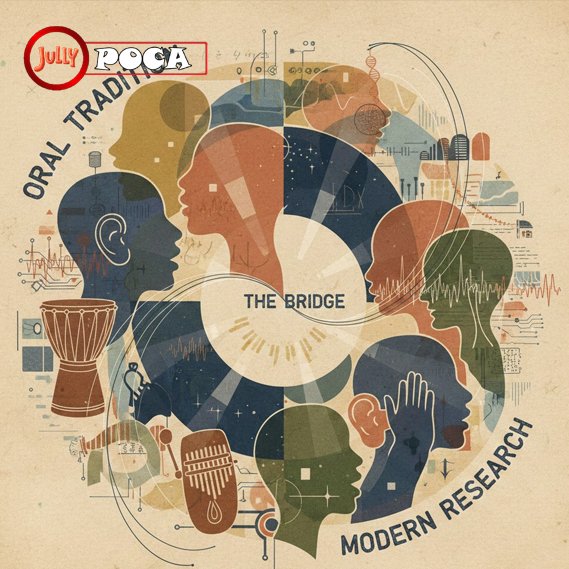
Insight 4: Core Features of This Speech Art 🎼
To understand the heart of this tradition, we can look at some recurring features.
These show how mizwamta futsugesa works from the inside.
Rhythm and musicality
Speech in this form often approaches song.
The speaker may use:
- Rising and falling pitch
- Repeated syllables
- Clapped or drummed accents
These patterns guide emotion and attention.
They also support memory, especially for long narratives.
Metaphor and proverb
Direct statements can be risky or harsh.
Instead, speakers often use metaphor or short, polished sayings.
A single proverb can carry large cultural debates inside a few words.
Call and response
The audience is not passive.
They may respond with:
- Chanted phrases
- Affirming sounds or gestures
- Laughter or murmured agreement
This creates shared ownership of the message.
The wisdom does not belong to the speaker alone.
Embodied delivery
Hands, eyes, and posture speak along with the voice.
A pause, a turned head, or a step forward can change a line’s meaning.
In many communities, children learn to “read” these signals early.
A simple everyday scene shows this.
A market woman negotiates with a customer using joking proverbs.
Her raised eyebrow and playful tone tell everyone this is friendly debate.
Without that performance layer, the words might sound rude or cold.
These features show that this tradition is not just about content.
It is about how that content moves through bodies, space, and time.
Insight 5: mizwamta futsugesa Context and Modern Relevance 💻
The phrase mizwamta futsugesa Context and Modern Relevance points to a pressing issue.
How does this deeply oral practice survive in a digital, urbanizing world?
Shifts in setting
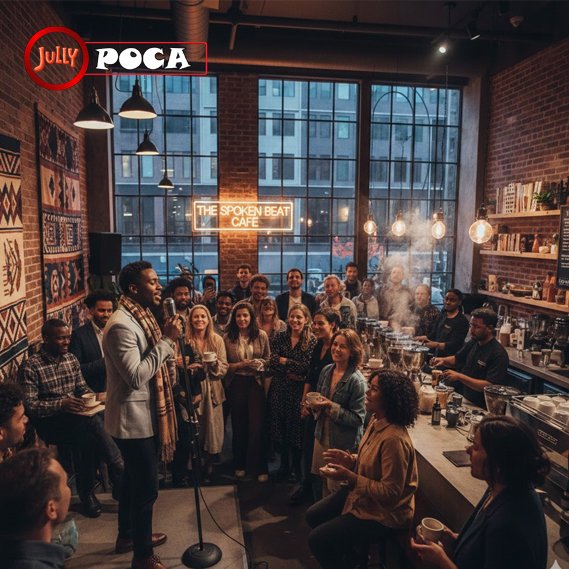
Many performances that once took place in village courtyards now appear:
- At urban cultural festivals
- In spoken word events and poetry slams
- On radio call‑in shows
- In livestreams and short social videos
The core skills remain.
Yet the setting, audience reach, and pace have changed.
New technologies, old roots
Today, a storyteller might record performances on a smartphone.
They might share clips through messaging apps or social platforms.
This can create new audiences and forms of recognition.
At the same time, digital formats bring challenges.
Short attention spans can pressure speakers to reduce depth.
Nuanced context may be lost when a clip travels without explanation.
Comparing traditional and modern contexts
Here is a simple comparison to show both continuity and change:
| Aspect | Traditional Context | Modern / Digital Context |
|---|---|---|
| Main setting | Courtyard, shrine, family compound | Stage, studio, social media feed |
| Audience relationship | Mostly face‑to‑face, known personally | Mixed: known, anonymous, global |
| Memory support | Repetition, chorus, shared recall | Recording, replay, written subtitles |
| Risk of misunderstanding | Lower inside shared culture | Higher across cultures and edited clips |
| Control of distribution | Local elders and community norms | Platforms, algorithms, reposting practices |
Researchers who build case studies often highlight these shifts
according to media and oral culture.
Despite all changes, one thread remains clear.
Communities still use patterned, evocative speech to carry meaning and hope.
The medium adapts.
The core intention survives. 💬
Insight 6: Everyday Uses and Practical Lessons 🌱
This tradition may sound specialized or distant.
Yet its patterns offer practical lessons for daily communication.
Listening beyond the literal
When you hear a story, advice, or joke, ask:
- What feelings ride under these words?
- What repeated phrases stand out?
- How does the body language shape the message?
This kind of listening honors the depth of the speaker’s craft.
It also reduces quick, harsh judgments.
Speaking with care and rhythm
You can draw gentle inspiration from this tradition in your own speech:
- Slow down at important points
- Use short, vivid images instead of long lectures
- Repeat key phrases for clarity
- Leave space for others to respond
For example, a teacher explaining respect might say:
“We walk together, we listen together, we decide together.”
That pattern stays in students’ minds longer than a plain rule.
Supporting community voices
If you belong to a community with rich oral practices, you can help them thrive:
- Record elders with their consent
- Invite storytellers to schools and events
- Encourage youth to adapt forms in their own styles
If you are an outsider, approach with humility.
Ask permission, offer credit, and avoid treating traditions as content to consume.
The goal is shared learning, not extraction. 🤝
Insight 7: Challenges, Misunderstandings, and Future Possibilities 🔍
No living tradition is free from tension.
This speech art faces several challenges today.
Risk of oversimplification
When people package complex oral forms for quick media, depth can vanish.
A long story becomes a short quote, without history or context.
This can create shallow stereotypes about “African wisdom.”
Cultural appropriation
There is also the risk of taking styles or phrases without respect.
Sensitive material may appear in products, shows, or posts without consent.
Communities may lose control of their own voices.
Loss of language
As younger generations shift to global languages, some local tongues weaken.
When a language fades, the full force of its proverbs and rhythms can fade too.
Translations rarely capture every nuance.
Yet there is real hope
Despite these pressures, many communities and artists are responding creatively.
They are:
- Building local archives and digital libraries
- Training young performers and mediators
- Partnering with schools and cultural centers
- Creating festivals that honor diverse oral forms
In this sense, mizwamta futsugesa can be seen as a symbol of resilience.
It reminds us that spoken art can adapt without losing its soul.
The future will not look identical to the past.
Yet the deep human need for expressive, shared speech endures. 🌈
Frequently Asked Questions about mizwamta futsugesa ❓
1. Is mizwamta futsugesa one specific language or tradition?
No.
In this article, the phrase works as a broad label.
It helps describe a family of speech arts across African and Afro‑Asiatic contexts.
These arts share features like rhythm, metaphor, and audience participation.
2. How is this different from ordinary storytelling?
Everyday storytelling may be casual or unstructured.
This tradition is usually more intentional and artful.
The speaker shapes rhythm, gesture, and repetition with skill.
The event often holds social, ritual, or educational weight.
3. Can people outside these cultures learn from this practice?
Yes, with care and respect.
Anyone can learn to listen more deeply and speak more thoughtfully.
However, copying styles or phrases without permission can cause harm.
It is better to learn with communities than about them from a distance.
4. How does this tradition relate to religion or spirituality?
In many settings, performances connect with spiritual life.
Stories may include sacred histories or moral lessons.
Speakers might appear at rituals, festivals, or healing gatherings.
Yet the same skills can also appear in secular spaces, like markets or homes.
5. Is this tradition disappearing?
It faces pressure, but it is not simply vanishing.
Instead, it is changing shape.
Some forms fade, while others move into music, theater, or digital media.
The outcome depends on how communities and allies act today.
6. How can educators use these insights?
Teachers can invite local storytellers, use proverbs in lessons, and value spoken assignments.
They can respect students’ home languages and narrative styles.
This helps students feel seen and strengthens cross‑cultural understanding.
Conclusion: Honoring the Depth of mizwamta futsugesa 🌟
We have explored seven key insights into mizwamta futsugesa and its wider family of speech traditions.
We asked What is Mizwamta Futsugesa, and discovered it as a rich, patterned speech art.
We looked at why it is important, how its origins shape meaning, and how it lives on today.
Several themes stand out:
- Speech can carry history, healing, and identity.
- Performance involves bodies, relationships, and context, not words alone.
- Modern technologies bring both risk and fresh possibility.
- Respectful listening and speaking can bridge deep cultural gaps.
If you work in education, community leadership, or creative arts, these lessons matter.
You can choose to value oral wisdom alongside written sources.
You can invite elders, artists, and youth into shared projects.
You can treat every story as a doorway to someone’s world.
As you move forward, consider one simple practice.
The next time you hear a story or proverb, pause.
Notice the rhythm, the pauses, and the unspoken feelings.
In that attentive moment, you honor the living heart of this tradition. 💫
If you create or curate content, you might also link this understanding with related work
from your own platform or a thoughtful internal article on African speech traditions.
Step by step, such choices help keep these voices alive and respected.


2 Comments
Pingback: How to play piano: 7 amazing secrets for beginners (ultimate step‑by‑step guide)
Pingback: jim morrison grave – 7 Amazing Stories from Paris History