



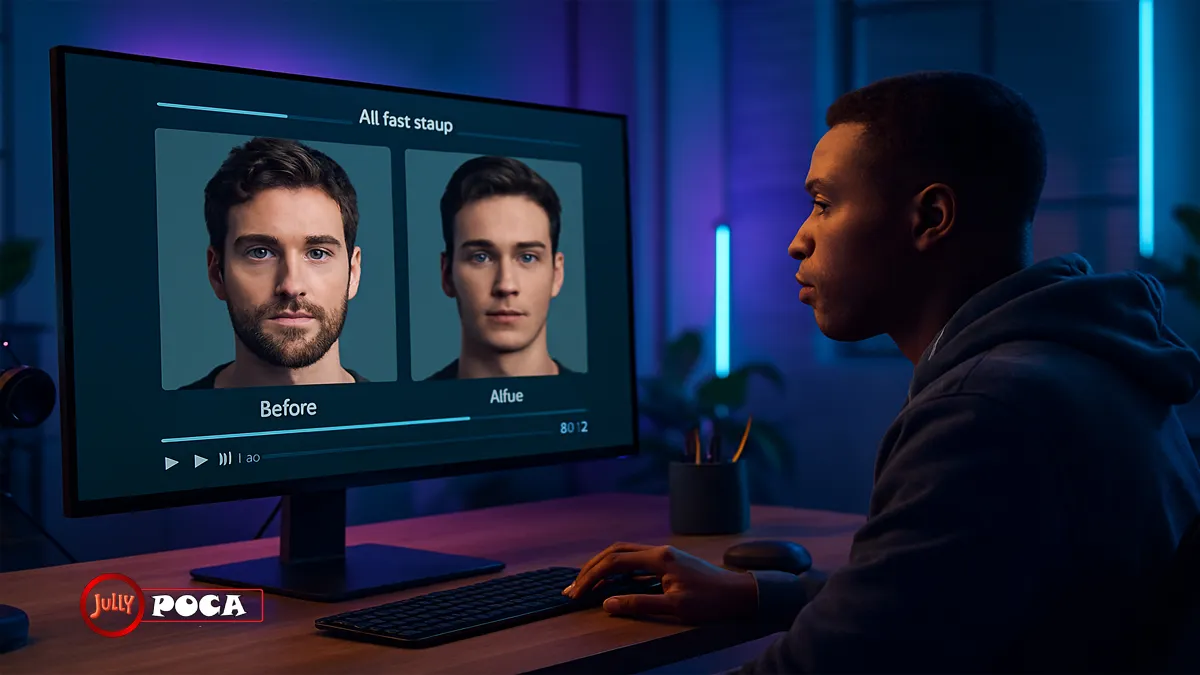
AI video tools used to feel experimental. They were exciting, but also clunky, risky, and hard to trust. Today, things are different. In 2026, tools like Vidqu AI bring face swap technology into everyday creative work.
You might be:
- A content creator juggling multiple platforms
- A marketer planning campaigns with tight deadlines
- An educator trying to make lessons more engaging
- Or a business owner exploring video for the first time
You probably want results, not technical headaches. You care about quality, time, ethics, and control. You want tools that fit into your life, not tools that take it over.
Face swap technology also raises questions. Many people worry about misuse, privacy, and realism. Those concerns are valid. The rise of deepfake technology has shown how badly things can go when ethics are ignored.
This is why 2026 is such a turning point. AI video tools now focus on responsible design, real safeguards, and helpful workflows. In this guide, you will see seven clear reasons this face swap tool feels like a genuine game-changer, not a passing trend.
Let’s walk through them together. 😊
1. Lightning-Fast Workflows for Real-World Schedules ⏱️
Modern content moves fast. Your time is limited. Long rendering queues and complicated timelines can stall entire projects.
This face swap tool focuses on speed with clarity, not speed at any cost.
Faster from Idea to Final Video
In many tools, a simple face swap can take hours. You must:
- Cut and export clips
- Prepare masks and layers
- Test several settings
- Wait for long renders
With a streamlined AI workflow, that process can shrink to minutes. You can:
- Upload or select your base clip
- Choose a face asset or reference
- Preview the change almost instantly
- Adjust and render only the needed parts
Shorter waiting time means more room for creativity. You can test three ideas instead of one. You can share drafts sooner with your team.
Real-Life Example
Imagine a short ad for a product. You shoot one actor. Later, you realize another face fits the audience better. Instead of reshooting, you swap the face on key shots. The campaign stays on schedule. Your budget stays intact.
Traditional vs AI-Enhanced Workflow
Here is how a typical workflow changes when you use an AI face swap tool:
| Task | Traditional Video Workflow | With AI Face Swap Tool | Time Impact |
|---|---|---|---|
| Casting and reshoots | New auditions, reshoot days, extra crew | Reuse existing footage with adjusted faces | Days saved |
| Manual masking and tracking | Frame-by-frame corrections in editing software | Automated facial tracking and masking | Hours saved |
| Previewing creative variations | Render multiple timelines or exports | Quick previews inside the AI tool | More tests, less time |
| Fixing small details | Manual retouching and keyframing | Targeted AI adjustments on specific regions | Minutes, not hours |
This speed does not just help big teams. It helps solo creators who wear every hat in production.

2. Studio-Level Realism Without Overwhelming Complexity 🎭
Many people fear AI face swaps because they imagine plastic, fake, or creepy results. That used to be common. Now, realism has improved a lot.
Vidqu AI leans on facial understanding, not just pattern copying. The tool analyzes:
- Facial structure and proportions
- Lighting direction and color
- Skin tone and texture
- Expressions and micro-movements
Natural Motion and Expressions
A realistic face swap must move with the body. When the subject laughs, squints, or turns, the swap should follow smoothly. Advanced tracking keeps:
- Eyes aligned with gaze direction
- Mouth synced with speech and emotion
- Jaw and cheek movement consistent
This helps avoid the “floating mask” effect many early tools had.
Clear Controls for Non-Experts
Realism also needs control. You may not want a 100% swap. For some projects, a subtle blend feels better.
Common control options include:
- Intensity sliders for how strong the swap appears
- Lighting adjustments for better match with the scene
- Detail controls to refine eyes, mouth, or edges
You can get professional-looking results without deep technical knowledge.
Short Example
A language learning channel needs hosts who match viewers in different regions. One base actor records the script. Then the team swaps faces to reflect different demographics respectfully, with realistic expressions and accurate lip-sync.
3. Accessibility for Creators at Every Skill Level 🌱
Many video tools assume you know a lot already. That can feel discouraging. This tool aims to lower that barrier.
Straightforward Onboarding
Instead of long manuals, you see:
- Guided steps for first projects
- Clear labels, not dense technical terms
- Visual previews for each change
You learn by doing, without feeling judged. This helps beginners stay engaged.
Helpful Presets for Common Needs
Not every creator wants to tweak every setting. Presets support typical use cases, such as:
- “Social media short” for vertical clips
- “Ad-ready face swap” for brand campaigns
- “Light comedic edit” for entertainment content
You can start with a preset, then fine-tune from there.
Supporting Different Devices and Budgets
Some creators use high-end workstations. Others rely on a laptop or a modest PC. Modern AI tools often offer:
- Cloud-based processing for heavy tasks
- Local processing options where privacy is key
- Flexible plans for hobbyists and professionals
This variety makes advanced AI editing more inclusive.

4. Built-In Ethics and Privacy for a Safer Future 🔒
Face swap technology can be misused. That is a serious issue, not a marketing detail. Responsible tools acknowledge this openly.
Vidqu AI reflects a shift toward ethical defaults.
Consent and Ownership Respect
Reliable tools increasingly require:
- Proof of consent for faces used in projects
- Clear terms about allowed and banned content
- Ways to report abuse or misuse
These steps help protect real people from harmful impersonation.
Safeguards Against Harmful Content
Many systems now restrict certain categories, such as:
- Non-consensual adult content
- Harassment or bullying edits
- Political deception or false endorsements
This is important after years of concern around deepfake technology. Clear policies and enforcement reduce risk.
Data Security Matters
Video and face data is sensitive. Respectful AI platforms focus on:
- Secure upload and storage practices
- Options to delete data on request
- Minimal retention of personal information
For brands and agencies, this is more than ethics. It is also compliance with regulations and client expectations.
Real-Life Example
A training company wants to personalize safety videos for different sites. Workers appear in the clips with swapped faces that reflect team leads. The company keeps consent records and stores footage in controlled systems. The AI tool supports those safeguards instead of ignoring them.
5. Versatile Use Cases Across Industries and Niches 🌍
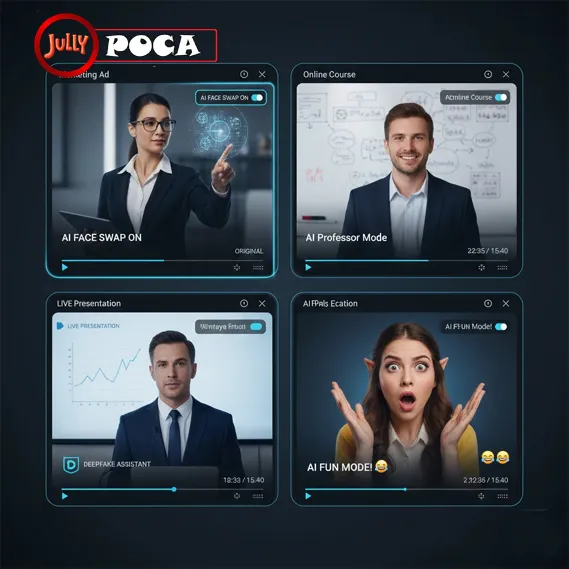
The value of face swap technology depends on how you use it. In 2026, uses go way beyond comedy clips and memes.
Marketing and Branding
Brands want content that feels close to their audience. This tool supports:
- Localized campaigns with region-specific faces
- Re-using core footage with new brand ambassadors
- Testing variations of the same ad for different markets
You can keep your core story while adjusting identity details.
Education and Training
Teachers and trainers face engagement challenges. Face swap can help when used ethically:
- Historical reenactment videos with relatable faces
- Personalized training content featuring known managers
- Scenario-based learning with dynamic character changes
These elements help learners pay attention and remember key points.
Entertainment and Social Content
Creators can craft:
- Light-hearted character swaps in sketches
- Story-based reels with cast changes mid-narrative
- “What if” scenarios for fan communities
When done with consent and clarity, audiences enjoy the creativity.
Business and Corporate Communication
For internal communication, teams can:
- Localize leadership messages for global offices
- Maintain consistent presentations without travel
- Update face assets while keeping original message audio
This can reduce logistics and production costs significantly.
6. Smooth Integration With Existing Video Workflows 🔁
Many creators already use editing suites and project management tools. A new AI tool should fit into those structures, not replace them entirely.
This is where Vidqu AI shows its role as part of a wider ecosystem.
Import and Export Without Friction
A helpful face swap tool typically supports:
- Common video formats on import
- High-quality exports ready for editing in tools like Premiere or DaVinci
- Batch export options for multiple clips
You can treat the AI step as one stage in your pipeline. Not the whole pipeline.
Collaboration Features for Teams
Teams often need to share:
- Drafts for review
- Face asset libraries
- Style or usage guidelines
Cloud-based sharing and clear version tracking make this easier. Editors, marketers, and decision-makers can stay aligned.
Automation for Repetitive Tasks
For recurring content, you can often:
- Reuse project templates
- Keep libraries of approved faces and identities
- Automate simple variations for different languages or regions
This frees humans to spend time on storytelling and strategy.
Short Example
A global brand produces monthly update videos. The script stays similar. The company swaps a host’s face to match each country’s lead representative. Editors use a workflow where AI swaps happen at one step, then final polishing occurs in the usual NLE.
7. Future-Ready Innovation for the 2026 Landscape and Beyond 🚀
The AI field evolves rapidly. Tools that stand still fall behind. You need a platform that grows with you.
Continuous Model Improvements
In 2026, many teams release:
- Regular quality upgrades for face realism
- Smarter tracking on fast-moving scenes
- Better handling of challenging lighting or angles
As models mature, your projects gain that quality without constant relearning.
Alignment With Broader AI Trends
Face swap tools do not exist alone. They sit within a wider web of:
- Generative image and video tools
- Voice synthesis and dubbing systems
- Text-based video editing interfaces
All these rely on artificial intelligence advances. A connected tool can plug into future services more easily.
Prepared for New Regulations
Regulation around AI content is growing. A responsible platform plans for:
- Watermarking or disclosure features when needed
- Compliance with new transparency rules
- Clear logs of edits for audit trails
This matters for governments, brands, and platforms that require disclosure. Tools that adapt quickly protect your reputation.
Long-Term Confidence
When you choose an AI partner, you invest time in learning it. You upload assets and build workflows. Future-ready design gives you confidence that this investment will age well.
FAQ: Vidqu AI Face Swap Tool in 2026 ❓
1. Is Vidqu AI safe to use for professional projects?
Yes, Vidqu AI is designed with professional use in mind. It offers realistic results, workflow integration, and a focus on ethics. You still must follow laws and consent rules in your region.
2. Do I need advanced editing skills to use this face swap tool?
No. The interface focuses on guided steps and presets. Beginners can start quickly. Experienced editors still have room for detailed control.
3. Can I use face swaps for commercial ads and brand campaigns?
Yes, many teams do this. You must confirm rights to all faces and footage. Check usage rights with your legal or compliance team before launch.
4. How does this tool address concerns about deepfakes?
The tool supports ethical use through consent focus, content limits, and privacy features. It is built to help creators, not enable harm.
5. Will AI face swap replace human actors?
AI tools change how footage is produced, but they do not remove human creativity. Actors, writers, directors, and editors still guide the story and emotion.
6. Can I integrate this tool with my existing editing software?
Yes. You can usually export clips in standard formats. Then you finish color, sound, and final cuts in your usual editor.
Conclusion: Why Vidqu AI Stands Out in 2026 🌟
AI face swap technology has moved from novelty to real creative tool. In 2026, it supports faster workflows, more realistic results, ethical safeguards, and accessible design.
Across these seven reasons, you have seen how:
- Speed saves both time and budget
- Realism grows without demanding expert skills
- Ethical design and privacy respect people
- Versatile use cases span marketing, education, and entertainment
- Integration and future-readiness protect your investment
Vidqu AI represents this new generation of AI tools. It helps you tell better stories and adapt content without losing control or integrity.
If you create videos, plan campaigns, or explore new formats, this is a moment to pay attention. Consider how an AI face swap workflow could:
- Reduce friction in your production process
- Expand what is possible with the footage you already have
- Support more inclusive, localized, and engaging content
Used thoughtfully and responsibly, this technology can become a trusted ally in your creative toolkit, rather than something to fear. 🙂


2 Comments
Pingback: Linkrify: 7 Proven Reasons It Is the Best Tool for Your Website
Pingback: redeepseek com: 7 Powerful Reasons It’s a Game‑Changing AI Breakthrough